Exploring the Impact of AI on Creative Industries (800 Words, SEO Optimized)
Category: Arts / Technology
Artificial Intelligence (AI) is transforming the creative industries, from art and music to design, film, and advertising. Once considered purely human domains, creative fields are now embracing AI to enhance productivity, inspire innovation, and push artistic boundaries. Understanding the impact of AI on creative industries is essential for artists, businesses, and policymakers seeking to leverage technology without compromising originality.
This article explores how AI is reshaping creative processes, the opportunities it presents, and the challenges it poses.
1. AI in Visual Arts
AI-powered tools are revolutionizing how artists create visual content. Algorithms can generate images, assist in editing, and even propose design ideas.
Applications:
-
AI-generated art: Tools like DALL·E and MidJourney allow artists to create digital images from text prompts.
-
Image enhancement: AI can upscale, retouch, or colorize images quickly.
-
Creative collaboration: AI acts as a co-creator, inspiring new styles and techniques.
Artists now blend human creativity with AI capabilities to produce innovative, unique works faster than ever.
2. AI in Music and Sound Design
The music industry is adopting AI to compose, mix, and master tracks, enhancing both production efficiency and creativity.
Examples:
-
AI-assisted composition generates melodies or harmonies based on user inputs.
-
Sound engineering tools optimize audio quality and reduce post-production time.
-
AI can analyze trends and predict popular music styles.
Emerging musicians and producers benefit from AI’s ability to simplify complex technical processes.
3. Film, Animation, and Gaming
AI is reshaping storytelling, animation, and gaming by automating time-consuming tasks and enhancing realism.
Applications include:
-
AI-generated scripts or scene suggestions
-
Visual effects (VFX) enhancement and motion capture
-
Procedural content generation in video games
-
Realistic facial animation and lip-syncing using deep learning
AI allows studios to produce high-quality content more efficiently, reducing costs and turnaround time.
4. Advertising and Marketing
AI is transforming how brands engage audiences, analyze trends, and optimize campaigns.
Key applications:
-
Personalized content generation for social media or email campaigns
-
Predictive analytics to forecast consumer behavior
-
AI-driven design of ad visuals and copy
-
Automated A/B testing and performance analysis
Creative agencies now combine data insights with artistic vision to deliver more impactful campaigns.
5. Opportunities for Artists and Creatives
AI offers multiple benefits to creative professionals:
-
Increased productivity: Automates repetitive tasks, freeing time for conceptual work.
-
New creative possibilities: Enables experimentation with styles, colors, and compositions.
-
Accessibility: Reduces technical barriers for beginners or small studios.
-
Market insights: AI helps understand audience preferences, optimizing content creation.
The synergy between human intuition and AI efficiency enhances artistic expression.
6. Challenges and Ethical Considerations
While AI provides opportunities, it also introduces challenges in creative industries.
Key issues:
-
Intellectual property: Who owns AI-generated content—the human or the algorithm?
-
Originality concerns: Overreliance on AI may lead to homogenized content.
-
Job displacement: Roles like graphic designers, editors, or animators may face automation pressures.
-
Bias and representation: AI trained on biased datasets can perpetuate stereotypes in creative outputs.
Balancing innovation with ethical responsibility is critical for sustainable adoption.
7. AI and the Democratization of Creativity
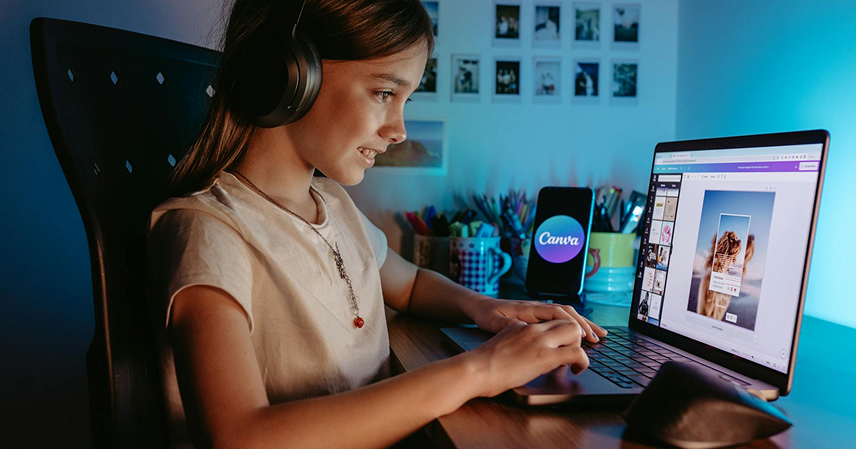
AI tools make creative production accessible to wider audiences. Individuals without formal training can now produce professional-quality content using AI platforms.
Implications:
-
Increased competition in creative markets
-
Greater diversity of voices and perspectives
-
Opportunities for small businesses and freelancers to scale quickly
-
Expansion of creative entrepreneurship
Democratization ensures that innovation is not limited to large studios or elite professionals.
8. AI in Content Curation and Recommendation
Beyond creation, AI significantly impacts how creative content is distributed and consumed.
Applications:
-
Streaming platforms like Netflix and Spotify use AI for personalized recommendations
-
AI analyzes audience preferences to guide creative decisions
-
Predictive algorithms help prioritize content likely to succeed
This ensures that creative industries align production with consumer demand efficiently.
9. Future Trends in AI and Creativity
Experts predict that AI will continue reshaping creative industries in the following ways:
-
Co-creation tools: AI will increasingly collaborate with humans in real-time.
-
Immersive experiences: AI-powered AR/VR and interactive storytelling will transform entertainment.
-
Ethical frameworks: Legal and ethical regulations will emerge for AI-generated content.
-
Integration with emerging tech: AI combined with blockchain, NFTs, and metaverse platforms will redefine art ownership and monetization.
Artists and industries that embrace these trends early will gain a competitive edge.
10. Conclusion
AI is revolutionizing creative industries by enhancing productivity, enabling experimentation, and democratizing artistic expression. While challenges like ethical concerns, originality, and job displacement exist, the benefits of AI are undeniable. By integrating human creativity with AI capabilities, artists, designers, musicians, and filmmakers can unlock unprecedented opportunities and redefine the future of creativity. Understanding these dynamics is crucial for individuals and businesses aiming to thrive in a rapidly evolving creative landscape.