How Climate Change is Reshaping Global Landscapes
Climate change is one of the most significant forces transforming Earth’s landscapes. Rising temperatures, melting glaciers, shifting precipitation patterns, and extreme weather events are altering ecosystems, coastlines, forests, and agricultural regions. These changes are not gradual—they are happening at an alarming pace, reshaping the physical world in ways that scientists once predicted would take centuries. Understanding how climate change is reshaping global landscapes is essential for preparing for the future and protecting the environment.
1. Melting Glaciers and Changing Mountain Landscapes
Glaciers around the world are shrinking rapidly due to rising temperatures. This has major consequences:
-
Himalayan glaciers are melting, threatening water supplies for over a billion people.
-
The Alps, Andes, and Rockies are losing ice cover at record speeds.
-
Antarctica and Greenland are experiencing unprecedented ice loss.
As glaciers recede, landscapes transform dramatically. Lakes form where glaciers once existed, river patterns change, and ecosystems dependent on cold environments collapse.
2. Rising Sea Levels and Coastal Transformation
Climate change is causing polar ice sheets to melt and ocean temperatures to rise, leading to global sea-level increase. Coastal landscapes are some of the most affected:
-
Cities like Miami, Jakarta, and Bangkok face frequent flooding.
-
Coastal erosion is wiping out beaches and wetlands.
-
Island nations like the Maldives and Tuvalu risk becoming uninhabitable.
Rising sea levels also intensify storm surges, causing long-term environmental and economic impacts.
3. Desertification and Land Degradation
Regions such as the Middle East, North Africa, and Central Asia are experiencing severe desertification. Factors include:
-
Reduced rainfall
-
Higher temperatures
-
Overgrazing and deforestation
-
Poor land management
As fertile land transforms into desert, agriculture collapses, forcing communities to migrate. This contributes to global displacement and food insecurity.
4. Changing Forest Ecosystems
Forests play a crucial role in regulating climate, but climate change threatens their survival:
-
Amazon rainforest is facing higher temperatures and more wildfires.
-
Boreal forests in Canada and Russia are shifting northward.
-
Droughts are killing millions of trees in California and Australia.
These changes impact biodiversity, carbon storage, and indigenous communities.
5. Coral Reef Bleaching and Marine Landscape Loss
Oceans absorb much of the planet’s excess heat, leading to coral bleaching and marine ecosystem collapse.
-
Great Barrier Reef has experienced multiple mass bleaching events.
-
Warmer oceans disrupt fish migration patterns.
-
Coastal economies depending on fishing and tourism suffer major losses.
Marine landscapes are transforming at a pace never recorded before.
6. Extreme Weather Creating New Landforms
Extreme weather events such as hurricanes, floods, and wildfires are becoming more frequent and intense:
-
Floods reshape river valleys and agricultural land.
-
Hurricanes destroy coastlines and create new inlets.
-
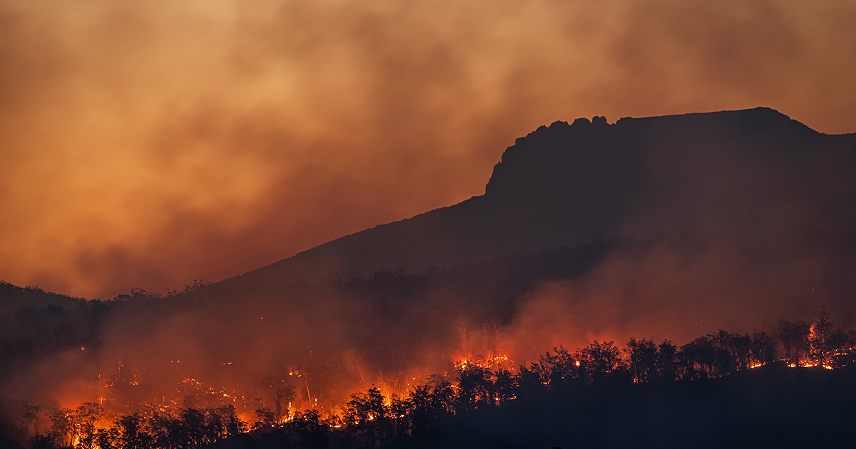
Wildfires clear forests, changing soil composition and land cover.
These events reshape landscapes in ways that can take decades to recover—if recovery is possible.
7. Shifts in Agriculture and Farmland
Climate change is altering where and how food can be produced:
-
Warmer temperatures push crops to higher latitudes.
-
Some traditional farming regions face droughts or floods.
-
New pests and diseases spread to previously unaffected areas.
Farmers are forced to adapt with new technologies, drought-resistant crops, and climate-smart agricultural practices.
8. The Arctic: A Transforming Region
The Arctic is warming nearly four times faster than the rest of the planet. As sea ice melts:
-
New shipping routes open
-
Wildlife migrates or disappears
-
Coastal villages face erosion and storm damage
The Arctic landscape is one of the most visibly changing on Earth.
Conclusion
Climate change is reshaping global landscapes at a rapid and irreversible pace. From melting glaciers to rising seas, expanding deserts, and collapsing ecosystems, the physical world is undergoing profound transformation. Understanding these changes is essential for developing sustainable strategies, protecting vulnerable communities, and ensuring a livable planet for future generations.