
Business
7 Effective Digital Lead Generation Strategies for Business Growth
W1S-A-000291
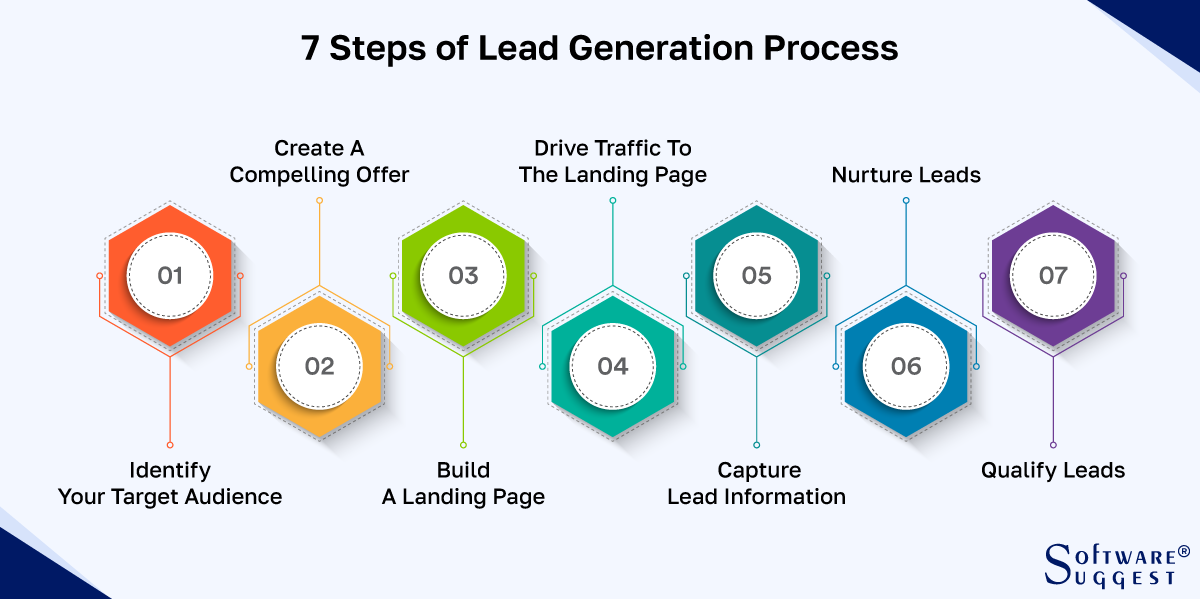
7 Effective Digital Lead Generation Strategies to Grow Your Business
Generating new customers is one of the biggest challenges businesses face in today's competitive digital marketplace. Many companies invest time and money in building websites and maintaining social media accounts, but they still struggle to turn online visitors into potential customers.
This is where digital lead generation strategies become essential.
Lead generation is the process of attracting people who may be interested in a company's products or services and encouraging them to take the next step, such as submitting an inquiry, requesting a quotation, booking a consultation, or signing up for updates.
With the right digital marketing approach, businesses can attract relevant audiences, build relationships, and create more opportunities for sales.
What Is Digital Lead Generation?
Digital lead generation involves using online channels and marketing techniques to identify and attract potential customers.
Instead of waiting for customers to discover a business by chance, companies use targeted digital activities to reach people who are interested in their offerings.
Common lead generation channels include:
Business websites and landing pages
Search engine optimization (SEO)
Social media marketing
Email marketing
Online advertising
Content marketing
Contact and inquiry forms
For example, a website development company can publish an article about the importance of professional websites and include a consultation form. Visitors who need website development services can submit their information to request further assistance.
This creates an opportunity for the business to connect with interested prospects.
7 Effective Digital Lead Generation Strategies
1. Build a Conversion-Focused Business Website
A business website should do more than display company information. It should guide visitors toward meaningful actions.
A conversion-focused website includes clear service descriptions, helpful content, visible contact information, and strategically placed calls to action.
For example, a digital agency can add a button such as "Request a Free Consultation" to its service pages.
Important website elements include:
Clear headlines explaining the business offering
Simple navigation
Mobile-friendly design
Contact and inquiry forms
Customer testimonials, when genuine and authorized
Relevant calls to action
A well-organized website makes it easier for potential customers to understand available services and contact the business.
2. Use Search Engine Optimization to Attract Relevant Visitors
Search engine optimization helps businesses improve their visibility in relevant search results.
When people search for products, services, or solutions, an SEO-friendly website can help businesses become easier to discover.
Effective SEO activities include:
Researching relevant search keywords
Creating useful website content
Optimizing page titles and meta descriptions
Improving website structure
Using descriptive image alt text
Building relevant and trustworthy backlinks
For example, a company offering website development services can create an article targeting the keyword "professional website development services."
Visitors searching for this topic may discover the business through its educational content.
SEO generally requires consistent effort and does not guarantee immediate leads or rankings.
3. Develop a Strong Social Media Marketing Strategy
Social media platforms provide businesses with opportunities to connect with audiences, demonstrate expertise, and generate inquiries.
However, simply publishing promotional posts every day may not produce meaningful results.
Businesses should create content that addresses customer problems and provides useful information.
Consider publishing:
Educational posts
Short videos and tutorials
Product and service demonstrations
Customer success stories with permission
Frequently asked questions
Industry tips and practical advice
Businesses can also use relevant advertising campaigns to reach selected audiences and direct interested users to dedicated landing pages.
The goal should be to attract relevant prospects rather than focus only on likes and followers.
4. Create Valuable Content That Builds Trust
Content marketing is another effective approach to digital lead generation.
When businesses publish useful information, they give potential customers a reason to explore their website and learn more about their services.
Useful content formats include:
Blog articles
Industry guides
Educational videos
Downloadable checklists
Case studies
Frequently asked questions
For example, a marketing agency could publish a free guide titled "10 Website Mistakes That Can Cost Your Business Customers."
Readers who find the guide useful may become interested in the agency's website improvement services.
Content should provide genuine value rather than simply promote products or services.
5. Use Email Marketing to Nurture Potential Customers
Not every visitor is ready to purchase immediately.
Some people need additional information, time, or reassurance before making a decision.
Email marketing helps businesses maintain communication with people who have voluntarily subscribed or requested information.
A useful email marketing strategy may include:
Welcome emails for new subscribers
Educational newsletters
Service updates
Helpful industry resources
Relevant offers and announcements
For example, a software company can send a short educational email series explaining how businesses can improve their workflow using digital tools.
Emails should be relevant, provide clear value, and follow applicable privacy and marketing consent requirements.
6. Use Targeted Advertising to Reach Potential Customers
Paid advertising can help businesses reach specific audiences through platforms such as Google, Facebook, Instagram, and LinkedIn.
Unlike organic marketing, advertising allows businesses to pay for additional visibility and direct interested audiences toward specific offers.
Successful campaigns generally require:
Clear campaign objectives
Relevant audience targeting
Compelling advertising creatives
Dedicated landing pages
Appropriate budget allocation
Conversion tracking
For example, a company offering e-commerce website development could create an advertising campaign targeting business owners interested in launching online stores.
The campaign could direct visitors to a landing page explaining the service and offering a consultation.
Businesses should monitor the cost per lead and lead quality instead of judging advertising success only by impressions or clicks.
7. Improve Lead Follow-Up and Customer Communication
Generating leads is only one part of the process. Businesses also need an organized system for managing inquiries and following up with potential customers.
Delayed responses or forgotten inquiries can result in missed opportunities.
Companies can improve their follow-up process by:
Recording new inquiries in a CRM system
Assigning leads to responsible team members
Responding within a reasonable timeframe
Sending relevant follow-up messages
Tracking conversations and outcomes
Reviewing lead quality and conversion rates
For example, when a customer requests a website development quotation, the business can record the inquiry, understand the customer's requirements, and arrange an appropriate follow-up.
Good communication helps create a more organized customer experience.
How to Measure Digital Lead Generation Performance
A successful lead generation strategy should be evaluated using measurable results.
Businesses can monitor several important metrics:
Number of leads: The total number of inquiries or potential customers generated during a specific period.
Conversion rate: The percentage of visitors who complete a desired action.
Cost per lead: The amount spent to generate each lead through a particular marketing campaign.
Lead quality: How relevant and suitable the generated inquiries are for the business.
Lead-to-customer conversion rate: The percentage of leads that eventually become paying customers.
For example, if a website receives 1,000 visitors and 30 people submit an inquiry form, its visitor-to-lead conversion rate is 3%.
Tracking these metrics helps businesses identify which marketing channels are producing useful results and where improvements are needed.
Common Digital Lead Generation Mistakes to Avoid
Even businesses with active marketing campaigns can struggle to generate quality leads.
Some common mistakes include:
Targeting audiences that are not interested in the offering
Using unclear advertising messages
Sending visitors to irrelevant landing pages
Making contact forms unnecessarily complicated
Ignoring mobile website performance
Failing to follow up with inquiries
Measuring success through clicks rather than qualified leads
Publishing promotional content without providing useful information
Avoiding these mistakes can help businesses build a more focused and effective lead generation process.
How APEX Creative Hub Helps Businesses Generate Leads
Building an effective lead generation system requires a combination of marketing strategy, technology, creative content, and performance monitoring.
APEX Creative Hub provides digital services designed to help businesses establish and improve their online presence.
Its published capabilities include:
Social media management and campaigns
Lead generation and digital marketing
Website and landing page development
SEO and AI optimization
Creative content and advertising materials
Custom software and automation solutions
Businesses can explore these services to identify suitable ways to attract potential customers and improve their digital marketing activities.
APEX Creative Hub also emphasizes clear project scopes, recorded delivery, and progress reporting.
To explore available services, visit:
https://apexcreativehub.ltd/
Final Thoughts
Digital lead generation is an important part of building a sustainable online business.
From SEO and social media marketing to targeted advertising, email campaigns, and organized follow-up systems, businesses have several opportunities to attract and engage potential customers.
The most effective approach is not necessarily using every marketing channel at once. It is identifying the right audience, selecting suitable channels, providing valuable information, and consistently improving the customer journey.
With a clear strategy and the right digital tools, businesses can create better opportunities to connect with potential customers and support long-term growth.
Author links
Found an error? Send a correction with this article URL.