
Business
Annual Corporate Compliance in Pakistan: Key Duties
W1S-A-000070
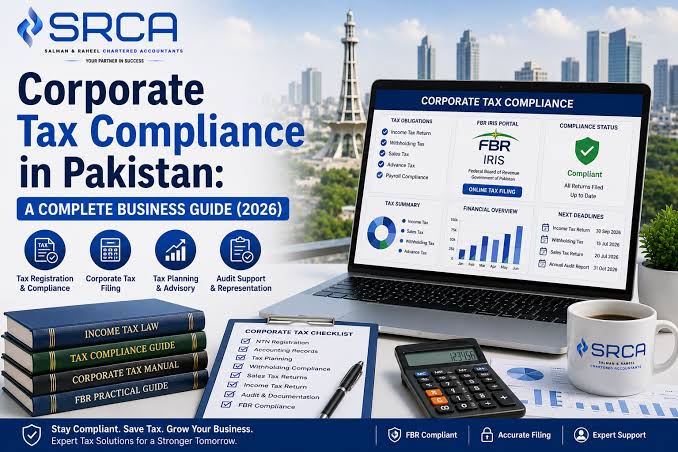
Annual corporate compliance in Pakistan is an essential responsibility for businesses that want to operate legally, maintain transparency, and build trust with stakeholders. Companies registered in Pakistan must comply with applicable corporate laws, maintain accurate financial records, submit required documents, and fulfil their tax obligations within the prescribed deadlines.
The Securities and Exchange Commission of Pakistan (SECP) regulates companies under the Companies Act, 2017, and provides procedures for annual returns, financial statements, and other statutory filings. Failure to meet applicable requirements can lead to penalties, regulatory complications, and reputational damage.
Understanding these responsibilities helps business owners, directors, and management teams maintain an organised compliance process throughout the year.
1. Filing Annual Returns with SECP
One of the key responsibilities of annual corporate compliance in Pakistan is submitting the required annual return to the SECP. This return provides important information about a company's directors, chief executive, registered office, shareholders, and share capital.
Depending on the company's structure and circumstances, the applicable filing may involve Form A or Form B, or a prescribed declaration where no changes have occurred. Certain exemptions apply to eligible companies.
Businesses should review the current SECP requirements and confirm the applicable filing deadline to avoid unnecessary delays.
2. Preparing Annual Financial Statements
Companies must maintain proper accounting records and prepare financial statements in accordance with applicable legal and accounting requirements.
These statements generally include information about assets, liabilities, income, expenses, cash flows, and changes in equity. The company's board should review and approve the statements before they are presented and filed as required by law.
The audit and filing requirements vary according to the company's type, size, and applicable exemptions. Maintaining accurate financial records supports sound decision-making and improves financial transparency.
3. Holding Annual General Meetings (AGMs)
An Annual General Meeting is an important part of corporate governance for companies required to hold one. It provides shareholders with an opportunity to review financial performance, consider annual financial statements, and address relevant company matters.
Companies must observe the applicable statutory requirements concerning meeting notices, agendas, minutes, and deadlines. Directors should ensure that meetings are properly documented and that any required resolutions are recorded.
4. Updating Company Records and Director Information
Businesses must keep their statutory records accurate and up to date. Changes involving directors, chief executives, company secretaries, auditors, registered offices, or other prescribed particulars may require notification to the SECP.
For example, the SECP specifies Form 29 for reporting certain appointments, cessations, and changes in officers' particulars. The applicable filing generally must be completed within 15 days of the relevant change.
Keeping records current helps companies avoid discrepancies and maintain regulatory transparency.
5. Meeting Tax and Financial Reporting Obligations
Corporate compliance also includes fulfilling applicable tax responsibilities with the Federal Board of Revenue (FBR) and other relevant authorities.
Depending on the business and its circumstances, these responsibilities may include:
Filing annual income tax returns.
Maintaining supporting accounting records and tax documentation.
Meeting applicable withholding tax obligations.
Filing relevant sales tax returns where required.
Paying taxes and other statutory dues within the prescribed deadlines.
Tax requirements differ according to the company's activities, registration status, and applicable laws. Professional review can help businesses identify their obligations and reduce the risk of filing errors.
6. Maintaining Corporate Governance and Internal Controls
Good corporate governance is an essential part of annual corporate compliance in Pakistan. Directors and management should establish appropriate internal controls, maintain reliable records, and ensure that business decisions follow applicable laws and company policies.
Companies should also maintain relevant registers, board minutes, shareholder records, contracts, and supporting financial documents. Listed companies and regulated businesses may have additional reporting and governance obligations.
A well-organised compliance calendar can help management track deadlines, assign responsibilities, and prepare documents in advance.
7. Consequences of Non-Compliance
Failure to meet statutory obligations can expose a company and, in certain circumstances, its officers to financial penalties or other legal and regulatory consequences. Late filings can also create administrative difficulties and affect the company's standing with relevant authorities.
Businesses can reduce these risks by reviewing compliance requirements regularly, maintaining complete records, and seeking professional advice when necessary.
Why Professional Corporate Compliance Support Matters
Managing annual returns, tax filings, financial statements, and statutory records can be challenging, particularly for businesses with limited administrative resources. Professional corporate compliance support can help companies organise documentation, understand applicable requirements, monitor filing deadlines, and maintain a more efficient reporting process.
However, every company's compliance needs should be assessed according to its legal structure, financial position, and regulatory obligations.
Conclusion
Annual corporate compliance in Pakistan is essential for maintaining legal standing, financial transparency, and effective corporate governance. From SECP annual returns and financial statements to tax obligations and updated statutory records, companies should treat compliance as an ongoing business responsibility rather than a once-a-year task.
AAO Group of Companies Islamabad is performing corporate compliance-related services to help businesses manage their applicable regulatory responsibilities, documentation, and filing requirements. Companies seeking professional assistance can contact AAO Group of Companies Islamabad to discuss their specific corporate compliance needs and determine the services appropriate to their business.
By maintaining accurate records, monitoring deadlines, and obtaining suitable professional support, businesses can strengthen their compliance practices and focus on sustainable growth.