
Business
Brand Identity vs Brand Image: Understanding the Difference
W1S-A-000113
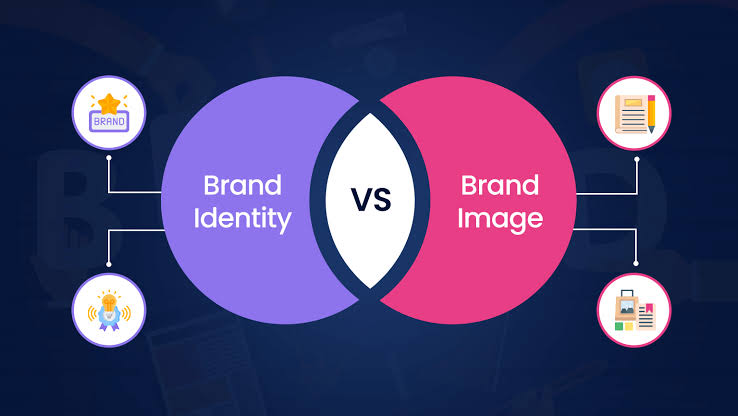
In today's competitive business environment, building a recognizable brand requires more than a logo or an attractive website. Companies must communicate their values clearly and create positive experiences that customers remember. Understanding Brand Identity vs Brand Image helps businesses recognize the difference between how they want to be perceived and how people actually perceive them.
Although these terms are closely related, they describe two different aspects of branding. Brand identity is shaped by the company, while brand image develops through customers' experiences, opinions, and perceptions. Understanding both can help organizations improve their marketing strategies and build stronger customer relationships.
What Is Brand Identity?
Brand identity refers to the elements a business creates to communicate its personality, values, and purpose. These elements help establish how the company wants its audience to recognize and understand its brand.
Brand identity typically includes:
Logo and visual design: The symbols and graphics that represent the business.
Colors and typography: The visual choices used across marketing materials.
Brand messaging: The language, tone, and key messages communicated to customers.
Mission and values: The principles and purpose that guide the company.
Brand guidelines: Rules that maintain consistency across different platforms.
For example, a construction company may develop a professional identity using a distinctive logo, consistent corporate colors, clear service descriptions, and a polished company profile. These elements communicate how the company wants to present itself to clients.
What Is Brand Image?
Brand image refers to the way customers and the public perceive a company. Unlike brand identity, which a business deliberately develops, brand image forms through customer experiences, reviews, recommendations, advertising, and the company's reputation.
A business may aim to appear reliable, innovative, and customer-focused. However, customers develop their opinions based on whether the company delivers quality services, communicates effectively, and meets expectations.
For example, a company might promote itself as highly professional, but repeated delays and poor communication could lead customers to view it as unreliable. This demonstrates how brand image can differ from the identity a company intends to create.
Brand Identity vs Brand Image: Key Differences
Brand identity
Brand image
Created and managed by the business
Formed in the minds of customers
Reflects the company's intended personality
Reflects public perception
Includes logos, colors, messaging, and values
Includes reputation, opinions, and associations
Developed through branding strategy
Influenced by experiences and interactions
Can be guided directly by the company
Can be influenced but not fully controlled
Both elements are important. A strong brand identity communicates a clear promise, while a positive brand image reflects how effectively the business fulfills that promise.
Why Do Businesses Need Both?
Businesses need a clear brand identity to communicate consistently across websites, social media, advertisements, and official documents. Consistency makes it easier for customers to recognize the company and understand its positioning.
A positive brand image is equally important because customer trust depends on more than visual presentation. Product quality, service delivery, customer support, and honest communication all influence how people perceive a business.
When identity and image align, customers are more likely to experience the brand as credible and consistent. When they differ, businesses should investigate customer feedback and improve the areas causing the gap.
How to Align Brand Identity With Brand Image
Companies can strengthen the relationship between identity and image by following a few practical steps:
Define brand values clearly. Establish what the company stands for and what customers should expect.
Maintain consistent communication. Use a recognizable visual style and tone across marketing channels.
Deliver on brand promises. Ensure that actual products and services reflect the company's claims.
Collect customer feedback. Review surveys, customer comments, and recurring complaints to understand public perceptions.
Improve continuously. Adjust communication and business practices when customer expectations are not being met.
For example, if a business promotes fast customer service but customers frequently report slow responses, improving response times is more effective than simply redesigning its logo.
Conclusion
Understanding brand identity vs brand image helps businesses build a consistent and credible market presence. Brand identity communicates what a company wants to represent, while brand image reflects how customers actually perceive it. Successful branding requires both a clear visual and communication strategy and a genuine commitment to delivering a positive customer experience.
AAO Group of Companies Islamabad is performing branding and related corporate identity services to help businesses establish a professional brand presence and communicate their identity consistently. By focusing on professional presentation and coherent brand communication, AAO Group of Companies Islamabad aims to help businesses strengthen their market positioning and create a recognizable business identity.
Found an error? Send a correction with this article URL.