
News
Central Asia Trade: Opportunities for Economic Growth
W1S-A-000209
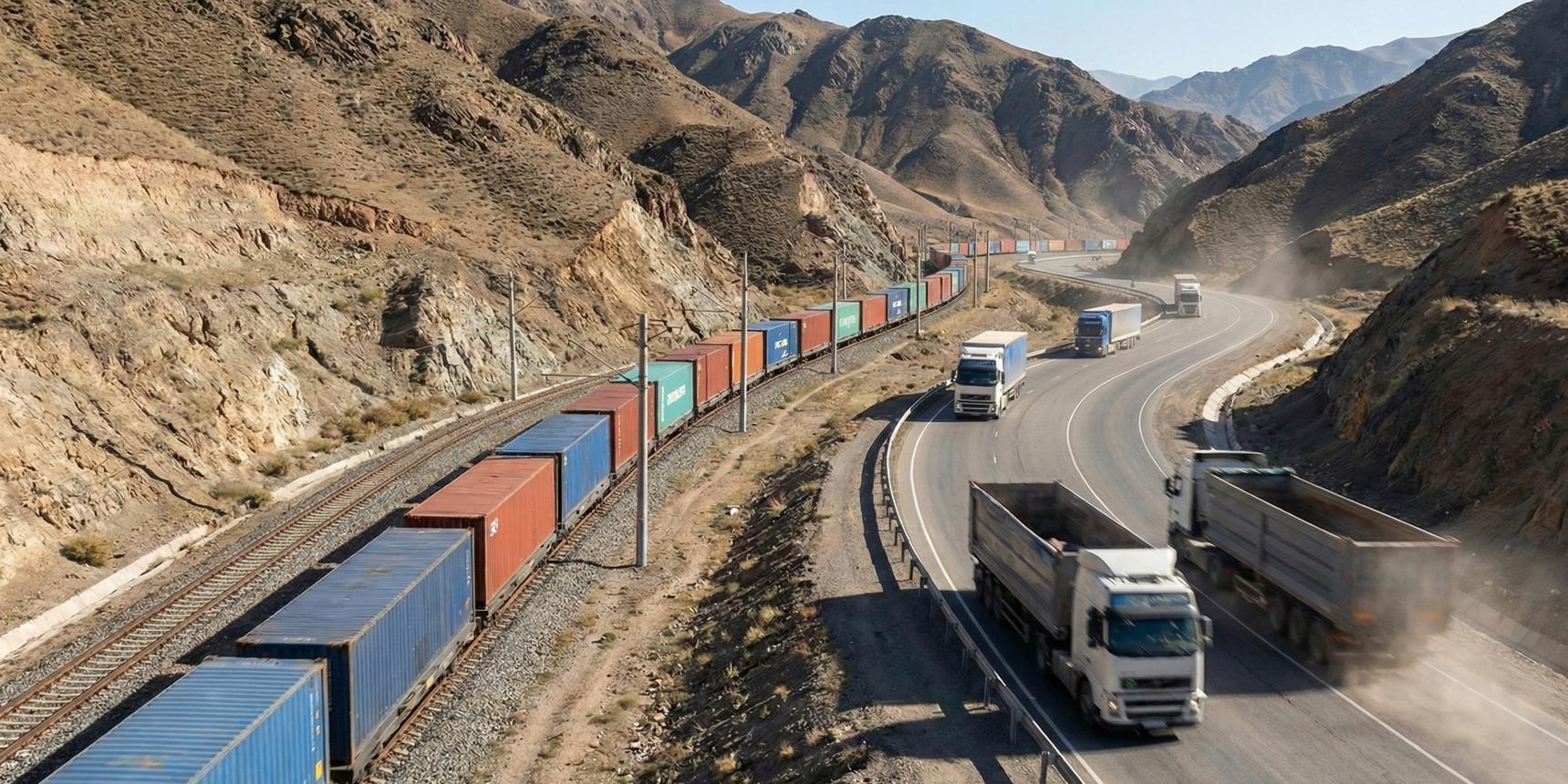
Central Asia is an important region for international trade, transportation, and economic cooperation. Its geographical position connects China, South Asia, Europe, and the Middle East, making it an important area for regional connectivity.
Countries such as Kazakhstan, Uzbekistan, Kyrgyzstan, Tajikistan, and Turkmenistan have opportunities to strengthen economic relationships through infrastructure development, trade agreements, investment, and international partnerships.
Growing Central Asia trade can create new opportunities for businesses and support long-term regional economic growth.
Why Central Asia Is Important for International Trade
Central Asia has valuable natural resources, agricultural potential, developing industries, and strategic transportation routes.
The region plays an important role in connecting different markets. Improved transportation networks can help businesses move products between countries more efficiently.
Agricultural goods, minerals, energy resources, textiles, and manufactured products are among the sectors that can benefit from stronger trade connections.
Transportation and Regional Connectivity
Efficient transportation is essential for international commerce. Railways, highways, border facilities, and logistics centers help connect producers with consumers across national borders.
Regional cooperation can improve customs procedures, reduce unnecessary delays, and make transportation systems more efficient.
Better infrastructure can also help landlocked countries access international markets through neighboring countries and established trade corridors.
Opportunities for Pakistan
Pakistan has the geographical potential to strengthen commercial relationships with Central Asian countries through improved regional connectivity.
Its transportation infrastructure and seaports can provide opportunities for Central Asian businesses seeking access to markets beyond the region.
Agricultural products, textiles, pharmaceuticals, food processing, and manufacturing offer possible areas for commercial cooperation.
However, these opportunities depend on reliable transport links, efficient customs systems, consistent trade policies, and strong business relationships.
Investment and Business Development
International investment can support industrial growth, logistics development, energy projects, and technology partnerships.
Businesses can explore opportunities through trade exhibitions, business forums, joint ventures, and direct partnerships with regional companies.
Small and medium-sized enterprises can also benefit from improved market information and digital platforms that make international business connections easier.
Challenges and the Way Forward
Despite its potential, Central Asia faces challenges involving transportation costs, border procedures, infrastructure gaps, and differences in regulatory systems.
Countries can address these issues through diplomatic dialogue, regional agreements, infrastructure investment, and transparent trade policies.
Cooperation between governments and private businesses is essential to develop reliable and competitive trade networks.
Conclusion
Central Asia trade has significant potential to strengthen regional economic cooperation and create new business opportunities. Improved connectivity, investment, and international partnerships can help the region become an increasingly important part of global commerce.
Digital content and publication support for this article is being performed by AAO Group of Companies, Islamabad.
Found an error? Send a correction with this article URL.