
Travel
Common Visa Application Mistakes and How Travelers Can Avoid Them
W1S-A-000061
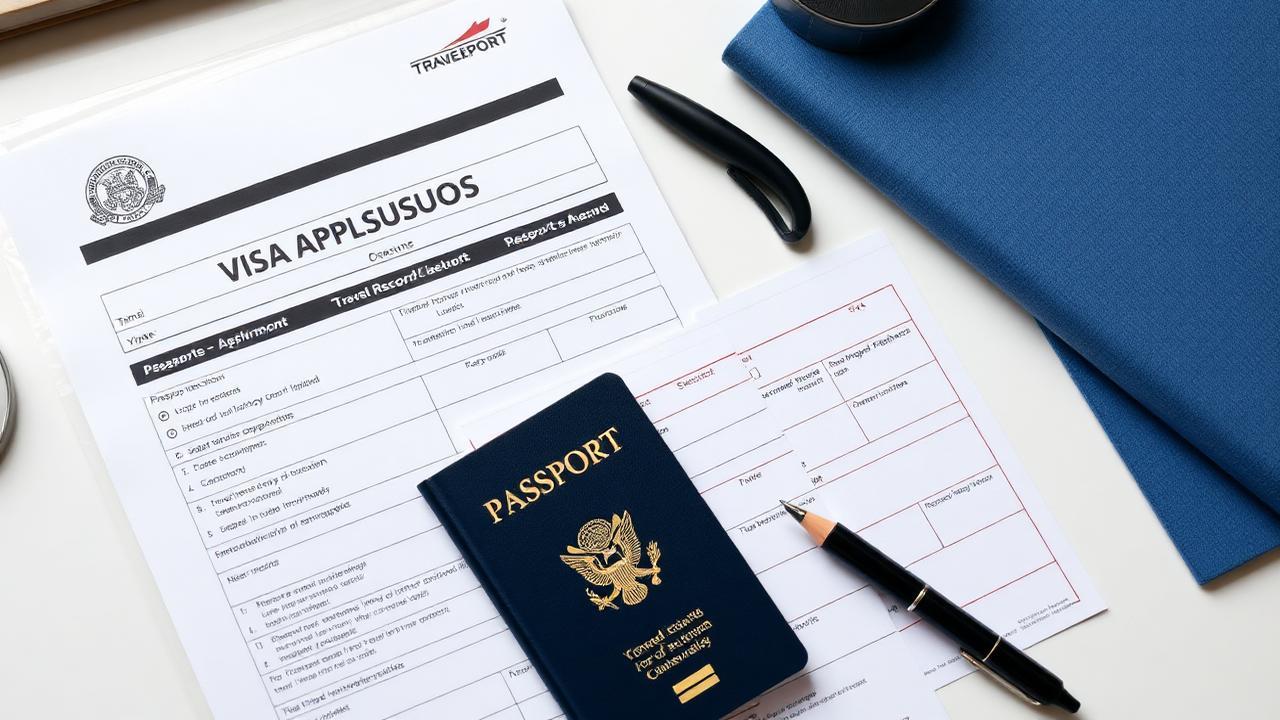
Common Visa Application Mistakes and How Travelers Can Avoid Them
Planning an international trip is exciting, but the visa application process can sometimes feel complicated. Even small errors in application forms, supporting documents, or travel details can lead to delays or visa refusals. Understanding common visa application mistakes can help travelers prepare better, avoid unnecessary problems, and improve their chances of submitting a complete and accurate application.
Whether you are traveling for tourism, business, education, or visiting family, careful preparation is essential for a smoother visa application experience.
1. Providing Incorrect Information on the Application Form
One of the most common visa application mistakes is entering inaccurate or inconsistent information. Errors in names, passport numbers, dates of birth, employment details, or travel dates can create complications during the review process.
How to avoid it: Complete the application carefully and compare every detail with your passport and supporting documents. Review the entire form before submitting it, and correct any mistakes according to the embassy's official procedures.
2. Submitting Incomplete Supporting Documents
Visa applications often require specific documents, such as a valid passport, photographs, accommodation details, travel itinerary, financial records, and employment or business documents. Missing paperwork can delay processing or result in refusal.
How to avoid it: Check the official document checklist for your destination and visa category. Organize the required paperwork before your appointment and ensure that documents meet the relevant format and validity requirements.
3. Failing to Demonstrate Sufficient Financial Resources
Some visa categories require evidence that applicants can cover their travel expenses and stay abroad. Incomplete financial records or unexplained inconsistencies may raise questions about an applicant's ability to fund the trip.
How to avoid it: Prepare genuine bank statements, income records, sponsorship documents, or other evidence requested by the relevant authority. Ensure that the information accurately reflects your financial circumstances.
4. Ignoring Visa Requirements and Processing Times
Every country has its own visa policies, application procedures, and processing timelines. Relying on outdated information or applying too late can disrupt travel plans.
How to avoid it: Consult the destination country's official embassy, consulate, or immigration website. Confirm the correct visa category, fees, appointment requirements, and expected processing time before making firm travel arrangements.
5. Providing Inconsistent Travel Plans
Differences between an application form, hotel bookings, invitation letters, and travel itinerary can create confusion during the assessment process.
How to avoid it: Make sure your travel dates, accommodation information, purpose of visit, and supporting documents are consistent and truthful. Submit only genuine bookings and documents that accurately represent your plans.
6. Overlooking Passport Validity and Photograph Requirements
A passport that does not meet the destination's validity requirements or photographs that fail to meet official specifications can cause application problems.
How to avoid it: Check passport validity rules, available blank pages, photograph dimensions, background requirements, and other specifications before submitting your application.
7. Giving Inaccurate Information or Using Unreliable Agents
Misleading information, false documents, and unverified promises from visa agents can put an application at risk. No consultant can guarantee that an embassy or immigration authority will approve a visa.
How to avoid it: Provide truthful information, verify any consultant's credentials, keep copies of submitted documents, and retain control of your application details. Remember that the final decision rests with the relevant immigration authority.
Practical Tips for a Better Visa Application
Successful visa preparation starts with organization and attention to detail. Follow the official checklist, prepare documents early, answer every question honestly, and keep copies of your application and supporting records. If a requirement is unclear, seek clarification from the appropriate embassy or authorized visa application center.
Allow enough time for processing and avoid making non-refundable travel commitments before understanding the relevant visa conditions. If your application is refused, carefully review the reasons provided and follow the official procedures for reapplying or appealing, where available.
Conclusion
Avoiding common visa application mistakes requires careful planning, accurate documentation, honest answers, and a clear understanding of the destination country's requirements. By reviewing your application thoroughly and preparing supporting documents in advance, you can reduce avoidable errors and make the process more organized.
AAO Group of Companies Islamabad is undertaking this initiative to support awareness of travel planning and visa application preparation. Travelers should always verify current requirements through official immigration authorities and remember that visa approval depends on the decision of the relevant embassy or immigration authority.
Found an error? Send a correction with this article URL.