
Technology
Cybersecurity Services in Pakistan: A Business Guide
W1S-A-000023
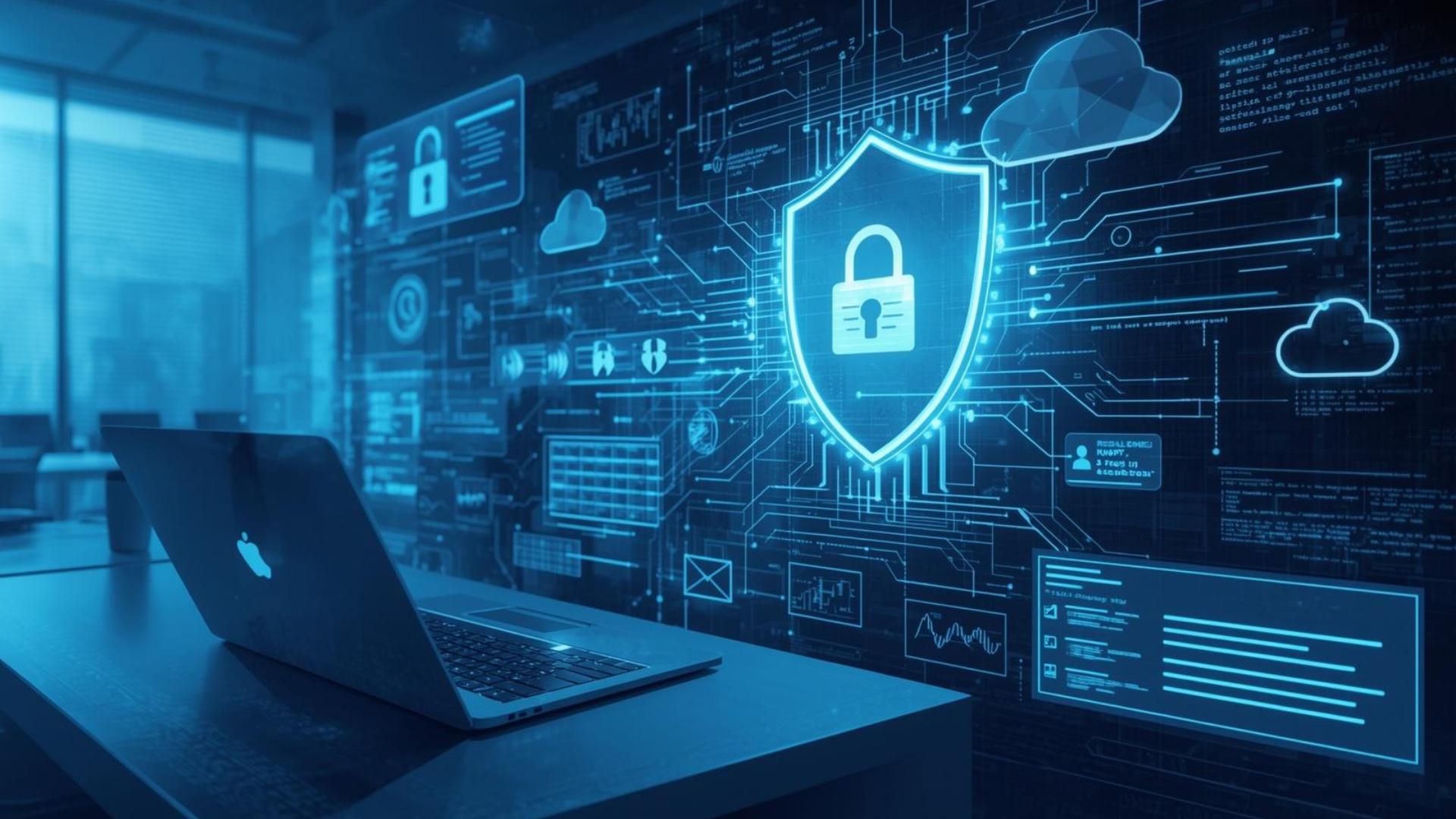
Cybersecurity Services in Pakistan: A Complete Guide for Business Owners
Businesses in Pakistan are increasingly relying on websites, digital platforms, online payments and cloud-based systems to manage their daily operations. While these technologies create new opportunities for growth, they also expose businesses to cyber threats such as hacking, phishing, malware, data theft and unauthorized access.
Cybersecurity services in Pakistan help businesses protect their digital assets, secure sensitive information and reduce the risks associated with online operations. Whether you run a small business, an e-commerce store, a professional services firm or a growing enterprise, having a practical cybersecurity strategy is an important part of protecting your business.
What Are Cybersecurity Services?
Cybersecurity services include the tools, processes and professional support used to protect computers, networks, websites, applications and business data from digital threats.
Depending on a company's requirements, these services may include security assessments, website protection, network monitoring, access control, vulnerability testing, backup planning and employee awareness training.
The purpose is to identify potential weaknesses, reduce security risks and help businesses respond more effectively when an incident occurs.
Why Cybersecurity Is Important for Businesses in Pakistan
Cybersecurity is no longer only a concern for large corporations. Small and medium-sized businesses can also face cyberattacks, especially when they depend on email, websites, social media accounts and digital payment systems.
Here are some important reasons to invest in cybersecurity:
Protect sensitive data: Safeguard customer records, employee information, business documents and other confidential data.
Reduce website risks: Identify weaknesses that could allow unauthorized access, malware infections or website disruption.
Protect business operations: Reduce the likelihood that a security incident will interrupt daily activities.
Build customer confidence: Demonstrate that your business takes information security seriously.
Reduce financial exposure: Help limit potential costs associated with fraud, downtime, recovery and data loss.
Support business continuity: Prepare systems and employees to respond to security incidents more effectively.
Types of Cybersecurity Services Businesses Need
1. Website Security Services
A business website is often the first point of contact between a company and its customers. If it is compromised, visitors may encounter malicious redirects, suspicious content or service interruptions.
Website security services may include vulnerability assessments, secure configuration reviews, malware scanning, software updates, SSL/TLS configuration checks and website backup planning.
Businesses using WordPress should also keep themes, plugins and the WordPress core updated, remove unused components and restrict administrator access.
2. Network and System Security
Network security focuses on protecting the systems and devices used to connect employees, applications and company resources.
Common measures include firewall configuration, secure Wi-Fi, endpoint protection, access restrictions and network monitoring. These controls can help businesses identify suspicious activity and reduce opportunities for unauthorized access.
3. Data Protection and Backup Planning
Business data may include customer information, financial records, contracts, invoices and operational documents. Losing access to these records can create serious difficulties.
A reliable data protection plan should include regular backups, restricted access to sensitive information and periodic recovery tests. Businesses should consider keeping protected backup copies separate from their primary systems.
4. Email Security and Phishing Prevention
Phishing attacks often use deceptive emails or messages to persuade employees to reveal passwords, share confidential information or open malicious attachments.
Email security measures can include spam filtering, multi-factor authentication, domain authentication settings and employee training. Staff should be encouraged to verify unusual payment requests and avoid opening unexpected links or attachments.
5. Vulnerability Assessments and Security Testing
A vulnerability assessment helps identify weaknesses in websites, applications, networks or system configurations.
Professional security testing can help businesses understand which issues need attention first. Testing should always be authorized, carefully scoped and performed by qualified professionals.
After the assessment, the business should receive clear findings and practical recommendations for addressing identified risks.
6. Cybersecurity Monitoring and Incident Response
Security monitoring helps detect unusual activity, while an incident response plan outlines what to do if a cyberattack or data breach occurs.
A response plan should identify responsible team members, establish communication procedures, explain how to isolate affected systems and describe how to restore operations safely.
Common Cybersecurity Threats Facing Businesses
Business owners should understand the risks that can affect their digital operations.
Phishing: Fraudulent messages designed to steal login credentials or sensitive information.
Malware: Malicious software that can damage systems, steal information or disrupt operations.
Ransomware: Malware that can encrypt files or otherwise restrict access to systems, often accompanied by demands for payment.
Weak passwords: Easily guessed or reused passwords that make accounts more vulnerable to unauthorized access.
Outdated software: Unsupported applications and unpatched systems that may contain exploitable vulnerabilities.
Unauthorized access: Individuals accessing business systems or information without proper permission.
Recognizing these threats is the first step toward developing a more effective security plan.
How to Choose the Right Cybersecurity Services in Pakistan
Choosing a cybersecurity provider requires more than comparing prices. Business owners should look for a service provider that understands their systems, explains risks clearly and recommends measures suited to their operations.
Consider the following factors:
Assess your business needs: Identify the websites, devices, applications and data that require protection.
Review the provider's expertise: Ask about relevant experience, qualifications, service scope and testing methods.
Request a clear proposal: Make sure the proposal explains deliverables, timelines, exclusions and ongoing support.
Prioritize critical risks: Address high-impact weaknesses before investing in less urgent improvements.
Understand reporting: Ask whether you will receive documented findings and actionable recommendations.
Plan for ongoing security: Confirm how updates, monitoring, backups and incident response will be handled.
The right solution depends on your business size, industry, technology and risk exposure. Not every company needs the same level of protection.
Basic Cybersecurity Practices Every Business Should Follow
Professional services are valuable, but everyday security habits are equally important. Businesses can begin with these practical steps:
Use strong, unique passwords and a password manager.
Enable multi-factor authentication wherever possible.
Install security updates promptly.
Restrict administrative privileges to authorized users.
Back up important business data and test recovery procedures.
Train employees to recognize suspicious messages and links.
Remove access for former employees and unnecessary accounts.
Review website plugins, software licenses and third-party integrations.
Prepare a written incident response and business continuity plan.
These measures do not eliminate every threat, but they can significantly strengthen a business's overall security posture.
How AAO Cyber Security Can Help Your Business
AAO Cyber Security SMC-Private Limited can be presented as a cybersecurity partner for businesses seeking practical support in protecting their digital assets. Depending on the services offered, support may include website security reviews, vulnerability assessments, security recommendations and guidance on improving digital protection.
For business owners, the first step is to understand where the greatest risks exist. A structured assessment can help identify weaknesses, prioritize improvements and establish a more informed approach to cybersecurity.
Businesses should confirm the provider's exact service scope, deliverables and support arrangements before engaging a service.
To learn more about the company and its available services, visit the AAO Group website.
Final Thoughts
Cybersecurity is an essential consideration for businesses operating in Pakistan's increasingly digital economy. From website security and email protection to data backups and employee awareness, practical security measures can help reduce exposure to common cyber threats.
By identifying risks, choosing suitable cybersecurity services in Pakistan and maintaining good security practices, business owners can make more informed decisions about protecting their information and supporting long-term business continuity.
Start by reviewing your current systems, identifying your most important digital assets and addressing the security weaknesses that matter most to your business.