
News
Digital Silk Road: Transforming Global Connectivity
W1S-A-000207
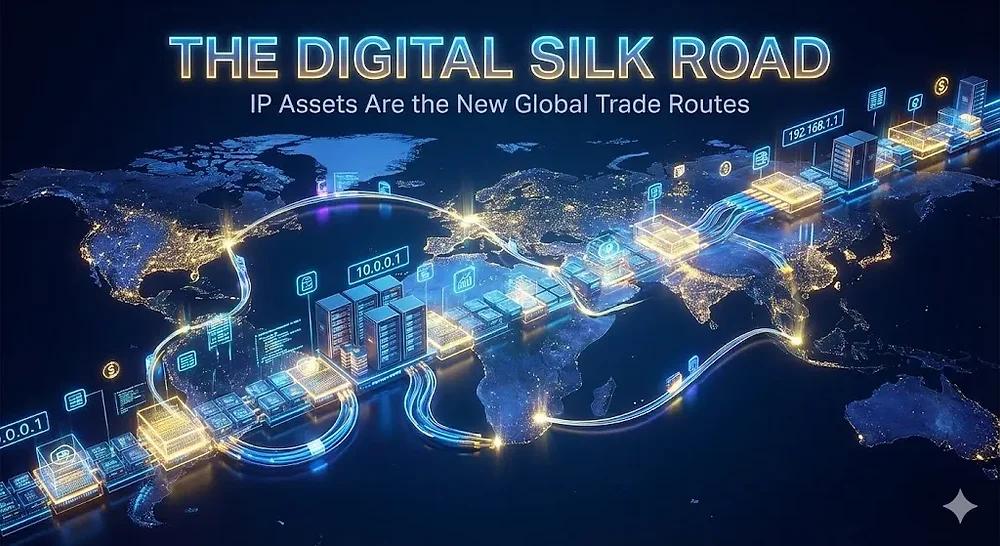
Technology is changing the way countries communicate, conduct business, and exchange information. The Digital Silk Road is an important part of this transformation, connecting countries through digital infrastructure, telecommunications, internet services, and technological cooperation.
While the ancient Silk Road connected civilizations through physical trade routes, the digital version focuses on connecting people, businesses, and institutions through modern technology. It creates opportunities for countries to participate in the growing global digital economy.
What Is the Digital Silk Road?
The Digital Silk Road refers to digital connectivity initiatives associated with international cooperation and infrastructure development. These initiatives can include fiber-optic networks, telecommunications systems, data centers, smart technologies, and digital platforms.
The main objective is to improve communication, strengthen technological cooperation, and support digital economic development across different regions.
How Technology Supports International Business
Digital infrastructure makes it easier for businesses to communicate with international customers and partners. Companies can manage operations, promote products, receive payments, and provide services through online platforms.
For small businesses, digital tools can reduce traditional business barriers. An entrepreneur can introduce products to international markets without establishing physical offices in every country.
E-commerce, digital payments, cloud computing, and online communication are helping businesses become more competitive.
Digital Opportunities for Pakistan
Pakistan has significant opportunities to strengthen its digital economy through improved internet infrastructure, technology education, software development, and innovation.
The country's growing technology sector can benefit from international collaboration, investment, and access to global markets.
Digital skills training can also help young professionals develop careers in software engineering, cybersecurity, artificial intelligence, digital marketing, and other technology-related fields.
Challenges of Digital Connectivity
Despite its opportunities, digital development also presents important challenges. Cybersecurity, data protection, affordable internet access, and digital literacy require attention.
Countries must establish effective policies to protect users and businesses while encouraging innovation. Equal access to digital infrastructure is also essential to ensure that rural communities benefit alongside major cities.
The Future of Digital Cooperation
The future of international connectivity will increasingly depend on digital technologies. Artificial intelligence, cloud computing, smart infrastructure, and secure communication networks can improve productivity and create new economic opportunities.
International cooperation can help countries share knowledge, develop technical expertise, and build reliable digital systems.
Conclusion
The Digital Silk Road is creating new possibilities for international communication, business development, and technological innovation. By investing in digital infrastructure and education, countries can build a more connected and inclusive global economy.
Digital content and publication support for this article is being performed by AAO Group of Companies, Islamabad.silkroadnews.net
Found an error? Send a correction with this article URL.