
Business
Graphic Design Training: Skills for Aspiring Designers
W1S-A-000123
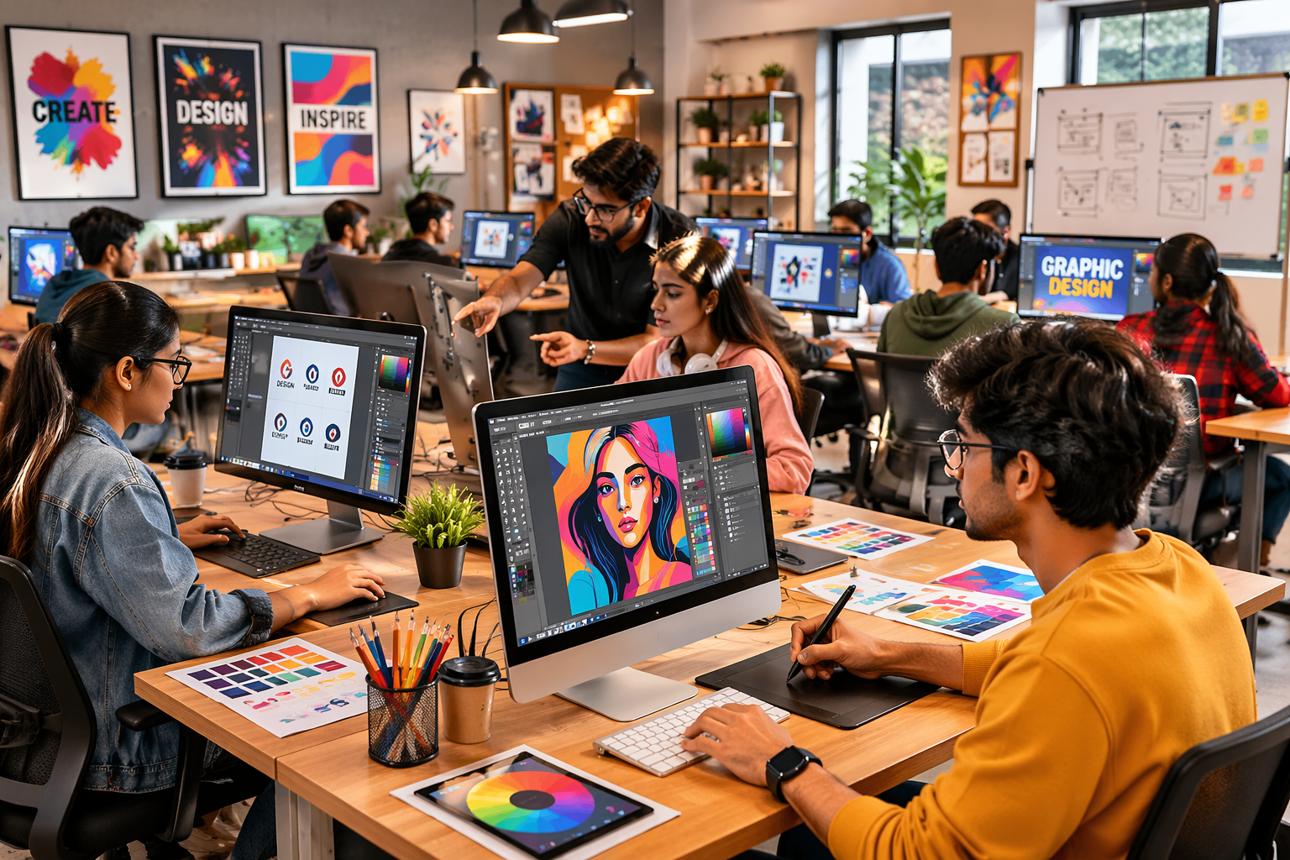
Graphic design is an essential part of modern communication, helping businesses present their ideas, products, and services through visual content. From logos and brochures to social media posts and website graphics, professional design helps brands communicate clearly and create a consistent visual identity. Graphic design training provides beginners with the knowledge and practical skills needed to turn creative ideas into effective designs.
This training is suitable for students, fresh graduates, freelancers, and individuals interested in creative careers. By learning design principles and practicing with industry-standard tools, aspiring designers can build confidence and develop a portfolio of professional work.
Essential Skills Every Graphic Designer Should Learn
1. Color Theory and Composition
Color theory helps designers choose colors that work well together and communicate the right message. Composition focuses on arranging visual elements in a balanced and attractive way.
Beginners should learn color combinations, contrast, alignment, spacing, and visual hierarchy. For example, a business brochure should use consistent colors and clear headings so readers can quickly identify important information.
2. Typography and Font Selection
Typography involves choosing and arranging fonts to make written content attractive and easy to read. Designers need to understand font pairing, letter spacing, line height, and text hierarchy.
Using readable fonts and appropriate text sizes can improve the appearance of advertisements, brochures, posters, and digital content. Beginners should also learn how to maintain consistent typography across different brand materials.
3. Graphic Design Software
Learning design software is an important part of professional training. Beginners can explore tools such as Adobe Photoshop for image editing, Adobe Illustrator for vector graphics, and Canva for accessible visual content creation.
Rather than learning every tool at once, students should focus on the software most relevant to their goals and practice by completing small projects.
4. Branding and Visual Identity
Branding helps businesses create a recognizable and consistent image. Graphic designers contribute by developing logos, color palettes, typography systems, business cards, and other brand materials.
For example, a new clothing business may need a logo, packaging design, social media templates, and promotional graphics that share a consistent visual style. Understanding brand identity helps designers produce work that supports business objectives.
5. Creativity and Problem-Solving
Graphic design is not only about making attractive images. It also involves understanding the audience, following a brief, and communicating a specific message.
Aspiring designers should practice researching ideas, creating initial concepts, accepting feedback, and refining their designs. These skills help them respond to client requirements and solve visual communication challenges.
Practical Projects for Graphic Design Beginners
Practical assignments help students apply what they learn and demonstrate their abilities. Useful beginner projects include:
- Designing a professional logo for a fictional business.
- Creating a social media campaign with matching graphics.
- Developing a promotional poster or brochure.
- Designing a business card and basic brand identity.
- Editing photographs for advertising purposes.
- Preparing a digital portfolio of completed designs.
For example, creating a complete branding package for a small café allows learners to practice logo design, typography, color selection, and promotional material development in one project.
Career Opportunities After Graphic Design Training
After developing practical skills, learners can explore careers such as graphic designer, logo designer, branding designer, social media designer, and freelance creative professional.
Businesses, advertising agencies, printing companies, digital marketing firms, and e-commerce brands often need visual content for their marketing activities. Freelancers can also work with clients remotely by presenting a strong portfolio and communicating clearly about project requirements.
Career growth depends on design quality, creativity, reliability, and continuous learning. Building a portfolio that demonstrates different styles and design solutions can help beginners showcase their abilities to potential employers and clients.
Conclusion
Graphic design training helps aspiring designers develop essential skills in color theory, typography, design software, branding, and visual communication. Through consistent practice and practical projects, beginners can build a strong foundation and prepare for employment or freelance opportunities in the creative industry.
AAO Group of Companies, Islamabad, is performing professional activities in the creative design, branding, and business development field. Learning professional graphic design techniques can help individuals strengthen their creative abilities while supporting businesses in building a recognizable and consistent visual identity.