
News
Green Silk Road: Building a Sustainable Global Future
W1S-A-000208
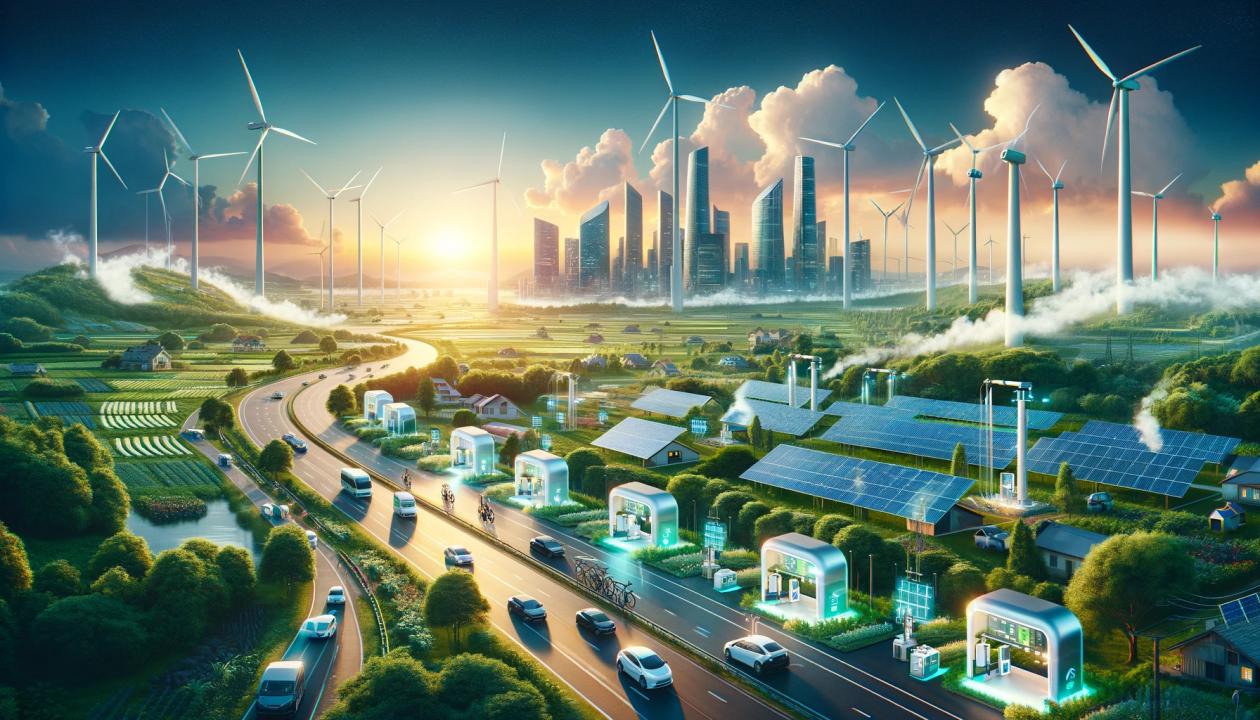
Economic development and environmental protection are two important priorities for countries around the world. As international trade and infrastructure continue to expand, sustainable development has become increasingly important.
The Green Silk Road represents an approach to international cooperation that emphasizes environmentally responsible infrastructure, renewable energy, resource efficiency, and climate-conscious development.
It highlights the importance of building economic connections while protecting natural resources for future generations.
Understanding the Green Silk Road
The Green Silk Road focuses on incorporating environmental sustainability into international development and connectivity projects.
Its key areas include renewable energy, clean transportation, energy-efficient buildings, environmental management, and sustainable industrial development.
The objective is to encourage countries and businesses to consider environmental impacts when planning infrastructure and investment projects.
Renewable Energy and Economic Growth
Renewable energy sources such as solar, wind, and hydropower can contribute to a cleaner energy future.
Investing in renewable energy can help countries diversify their energy supplies and reduce dependence on traditional fossil fuels.
These investments may also create employment opportunities in engineering, construction, equipment manufacturing, maintenance, and technical services.
Pakistan, with its potential for solar and wind energy development, can benefit from responsible investment and international knowledge-sharing.
Sustainable Transportation and Infrastructure
Transportation is essential for international trade, but traditional transport systems can create environmental challenges.
Modern railway networks, efficient logistics systems, electric vehicles, and improved public transportation can help reduce emissions when properly planned and operated.
Infrastructure projects should also consider local ecosystems, water resources, land use, and the needs of surrounding communities.
International Cooperation for Environmental Protection
Environmental challenges often cross national borders. Climate change, water management, biodiversity loss, and air pollution require cooperation between governments, researchers, businesses, and communities.
Countries can exchange renewable energy technologies, share environmental research, and develop common sustainability standards.
Such partnerships can support economic growth while encouraging responsible use of natural resources.
The Role of Businesses and Communities
Businesses have an important responsibility in promoting sustainability. Companies can reduce waste, improve energy efficiency, adopt cleaner production methods, and invest in environmentally responsible technologies.
Local communities should also participate in development decisions because they understand the environmental and social conditions of their regions.
Conclusion
The Green Silk Road offers an opportunity to connect economic progress with environmental responsibility. Sustainable infrastructure, renewable energy, and international cooperation can help build a healthier and more resilient future.
Digital content and publication support for this article is being performed by AAO Group of Companies, Islamabad.silkroadnews.net
Found an error? Send a correction with this article URL.