
Business
How to Create an Effective Business Operations Plan
W1S-A-000089
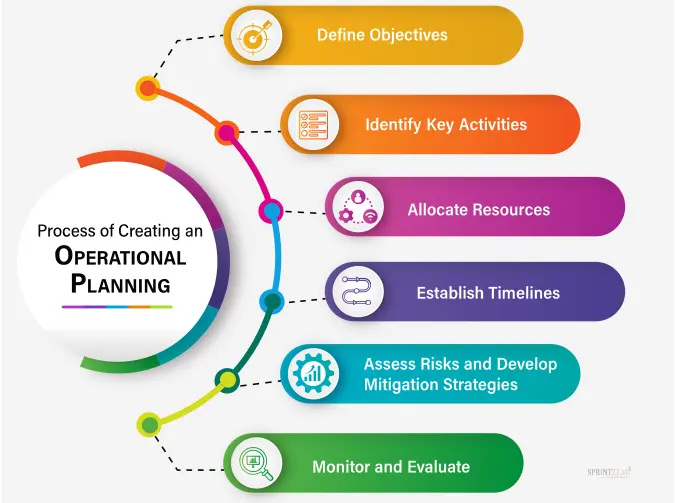
A business operations plan is an essential tool for organizations that want to improve efficiency, manage resources, and achieve long-term business goals. It explains how daily activities will be organized, which resources are required, who is responsible for specific tasks, and how performance will be measured. A well-prepared plan helps businesses maintain consistency, control costs, and deliver better results.
Whether you operate a startup, a small business, or an established company, developing an effective business operations plan can strengthen decision-making and improve overall productivity. With clear objectives and structured processes, businesses can reduce operational challenges and create a strong foundation for sustainable growth.
What Is a Business Operations Plan?
A business operations plan is a practical document that outlines the processes, people, resources, and systems needed to run a business successfully. It translates broader business objectives into actionable daily, weekly, and monthly activities.
The plan may include staffing requirements, operational procedures, financial resources, supply chain management, customer service standards, and performance indicators. By documenting these elements, business owners can ensure that teams understand their responsibilities and work toward shared objectives.
1. Define Clear Business Goals and Objectives
The first step in creating an effective business operations plan is to establish clear goals. These objectives should reflect the company's priorities, such as increasing productivity, improving customer satisfaction, reducing expenses, or expanding into new markets.
Set specific, measurable, achievable, relevant, and time-bound (SMART) objectives. For example, a business might aim to reduce order processing time by 15% within six months.
Clear goals help managers prioritize activities, allocate resources appropriately, and measure whether operational improvements are producing the expected results.
2. Identify Resources and Assign Responsibilities
Every business requires suitable resources to operate efficiently. These may include employees, equipment, technology, materials, finances, and external service providers.
Identify the resources needed for each business activity and prepare a realistic allocation plan. Assign responsibilities to specific team members so that everyone understands their role and expected outcomes.
Clear accountability reduces confusion, improves coordination, and helps management identify operational issues more quickly. Regular communication also ensures that teams remain aligned with business priorities.
3. Develop Efficient Workflows and Procedures
Efficient workflows help businesses complete tasks consistently and avoid unnecessary delays. Review existing processes to identify repetitive activities, communication gaps, bottlenecks, and areas where resources may be wasted.
Create standard operating procedures (SOPs) for important activities such as customer service, inventory management, purchasing, reporting, and quality control.
Where appropriate, use digital tools to automate routine tasks, organize information, and improve collaboration. Well-designed workflows save time, reduce errors, and support consistent service quality.
4. Prepare an Operational Budget
Financial planning is an important component of a business operations plan. Estimate the costs associated with salaries, supplies, equipment, utilities, technology, maintenance, and other operating requirements.
Compare projected expenses with available funds and expected revenue. Include a reasonable contingency allowance for unexpected costs and review cash flow regularly.
A realistic operational budget helps businesses control spending, allocate resources effectively, and avoid financial pressure. Managers should also compare actual expenses against the budget to identify areas that require corrective action.
5. Establish Performance Indicators
Key performance indicators (KPIs) help businesses evaluate whether their operations are meeting established objectives. Select indicators that directly relate to your goals and operational priorities.
Useful KPIs may include:
Operating costs and profit margins.
Employee productivity and task completion rates.
Customer satisfaction and retention.
Order processing and delivery times.
Inventory accuracy and resource utilization.
Product or service quality measures.
Review performance regularly and use the results to identify strengths, address weaknesses, and make informed decisions.
6. Identify Risks and Prepare Contingency Plans
Unexpected challenges can affect business operations, including supply shortages, equipment failures, staff absences, cybersecurity incidents, and changes in customer demand.
Identify the risks most relevant to your business and evaluate their potential impact. Develop contingency plans that explain how the organization will respond if a disruption occurs.
Maintaining backup suppliers, protecting important data, documenting critical procedures, and cross-training employees can improve operational resilience.
7. Review and Improve the Operations Plan
A business operations plan should be reviewed regularly rather than treated as a fixed document. Business needs, market conditions, customer expectations, and available resources can change over time.
Schedule periodic reviews to assess performance, collect employee feedback, evaluate costs, and identify opportunities for improvement. Update procedures and targets whenever necessary to keep the plan relevant.
Continuous improvement allows businesses to respond to challenges, strengthen productivity, and maintain operational effectiveness as they grow.
Conclusion
Creating an effective business operations plan requires clear objectives, proper resource allocation, efficient workflows, realistic budgeting, and consistent performance monitoring. By documenting processes and reviewing results regularly, businesses can improve productivity, control costs, and establish a reliable foundation for sustainable growth.
AAO Group of Companies Islamabad is performing business and project-related activities with a focus on organized planning, effective execution, and operational performance. Applying structured operational planning and continuous improvement can help businesses strengthen their processes, manage resources responsibly, and work toward their long-term objectives.