
Business
International Travel Planning: Documents & Budget Tips
W1S-A-000062
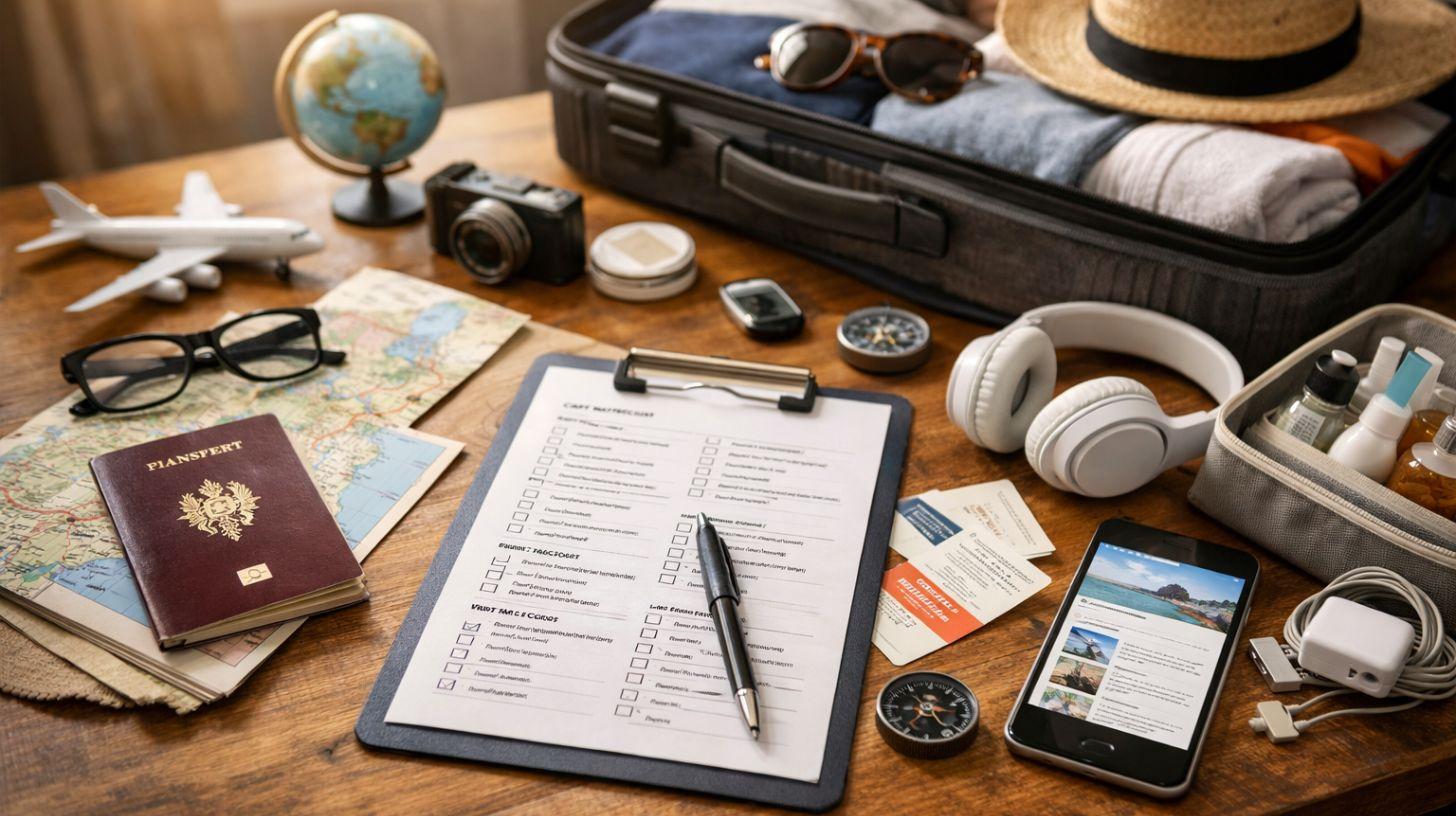
International Travel Planning: Documents, Budgeting and Booking Considerations
International travel is an exciting opportunity to explore new destinations, experience different cultures, and create unforgettable memories. However, a successful trip requires careful preparation, from organizing travel documents to managing expenses and booking suitable flights and accommodation. Effective international travel planning helps travelers avoid unnecessary stress, reduce unexpected costs, and enjoy a smoother journey.
Whether you are planning a family vacation, a business trip, or a holiday with friends, preparing in advance can make your travel experience more convenient and enjoyable.
1. Prepare Essential Travel Documents
Travel documents are among the most important parts of an international journey. Depending on your destination and nationality, you may need a valid passport, an approved visa or electronic travel authorization, flight tickets, hotel reservations, and proof of sufficient funds.
Some destinations may also require travel insurance, vaccination records, an invitation letter, or evidence of onward travel.
Travel planning tip: Check the official embassy or immigration website for the latest entry requirements. Verify your passport's expiry date, ensure that your personal information is accurate, and keep digital and printed copies of important documents in secure locations.
2. Create a Realistic Travel Budget
Budgeting is essential for keeping your trip affordable and avoiding unexpected financial pressure. Your total travel budget should include flights, accommodation, meals, transportation, sightseeing, travel insurance, visa fees, and shopping expenses.
Exchange rates, bank charges, baggage fees, and local taxes can also affect the final cost.
Travel planning tip: Estimate your major expenses before booking and set aside an emergency fund for unexpected situations. Compare prices from reliable providers and choose options that fit your budget without compromising essential safety or convenience.
3. Compare Flights Before Booking
Flight prices can vary depending on the season, airline, departure date, baggage allowance, and booking conditions. Comparing available options helps travelers identify suitable routes and understand the total cost of their tickets.
Before confirming a booking, review the departure and arrival times, layover duration, airport locations, baggage policies, and cancellation rules.
Travel planning tip: Consider flexible travel dates when possible, and check the airline's official website before making your final decision. Read the fare conditions carefully, particularly if your travel plans may change.
4. Choose Suitable Accommodation
Accommodation can significantly influence your overall travel budget and experience. Travelers can choose from hotels, guesthouses, serviced apartments, and other suitable options depending on their preferences and destination.
Consider location, safety, transportation access, guest reviews, available facilities, and the property's cancellation policy before booking.
Travel planning tip: Compare the complete price, including taxes and additional fees. Check the distance from major attractions and public transportation to avoid spending more than expected on daily travel.
5. Plan Transportation and Daily Activities
A well-organized itinerary helps you use your time efficiently. Research airport transfers, public transportation, local taxi services, sightseeing opportunities, and the distance between destinations before departure.
Avoid scheduling too many activities in a single day. Leave room for rest, unexpected delays, and spontaneous experiences.
Travel planning tip: Book popular attractions in advance when necessary, and confirm operating hours and reservation requirements using official sources. Keep important addresses and transport details accessible during your journey.
6. Understand Travel Insurance and Safety
Unexpected events, such as medical emergencies, lost luggage, flight disruptions, or trip cancellations, can affect international travel. Travel insurance may help cover certain expenses, depending on the policy and its exclusions.
Before purchasing insurance, review medical coverage, emergency assistance, cancellation protection, baggage benefits, and any destination-specific requirements.
Travel planning tip: Save emergency contact numbers, check local laws and customs, and understand the procedures for contacting your country's embassy or consulate if assistance is needed.
7. Complete a Final Pre-Departure Checklist
Before leaving home, confirm your flight details, accommodation reservations, visa status, and transportation arrangements. Check baggage restrictions and ensure that essential medicines, chargers, payment methods, and travel documents are ready.
Inform a trusted person about your itinerary when appropriate, and check the latest travel advisories for your destination.
A final review of your arrangements can help prevent last-minute problems and provide greater peace of mind.
Conclusion
Successful international travel planning involves preparing the right documents, creating a realistic budget, comparing booking options, and organizing transportation and accommodation in advance. By taking these steps, travelers can reduce avoidable complications and focus on enjoying their destination.
AAO Group of Companies Islamabad is undertaking this initiative to promote awareness of international travel planning and the importance of preparing for a well-organized journey. Travelers should verify current visa, entry, and booking requirements through official sources before making final arrangements.