
Business
Pakistan and UAE Trade Opportunities for Businesses
W1S-A-000106
Introduction
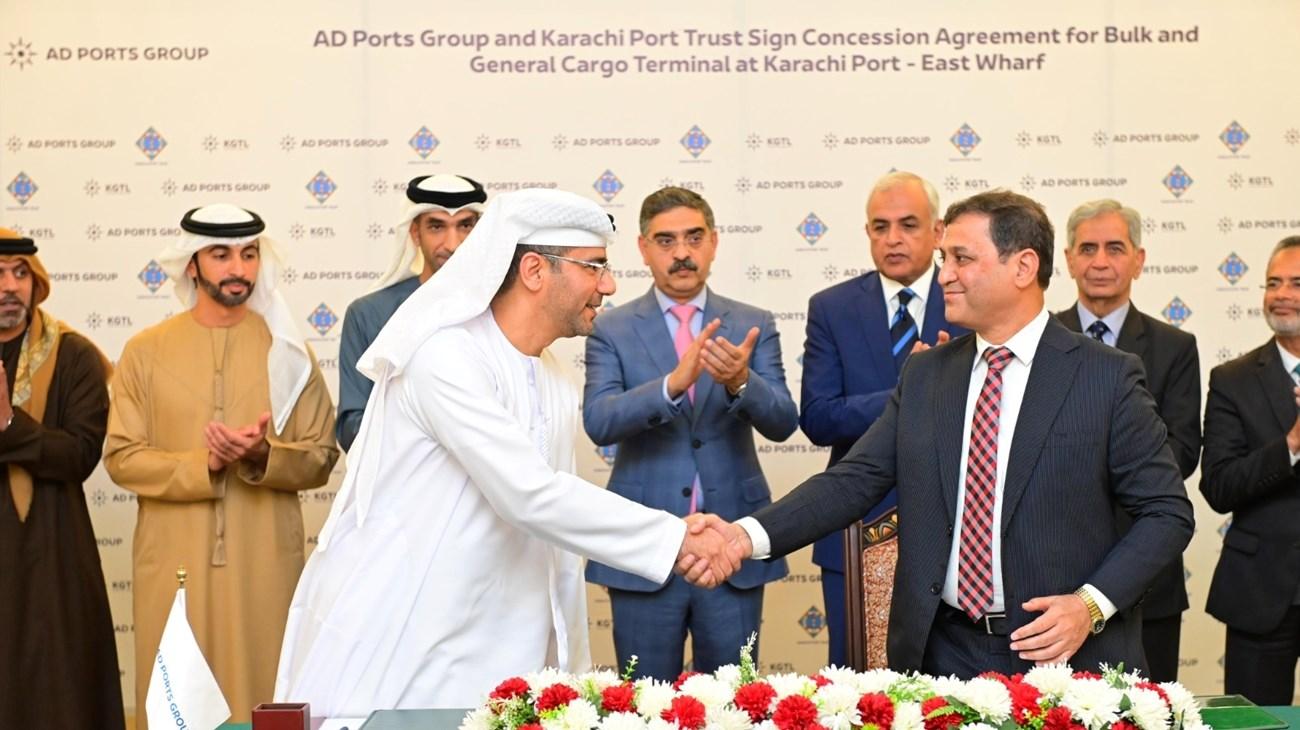
Pakistan and UAE trade opportunities offer significant potential for businesses seeking to expand their commercial activities, develop international partnerships, and access new markets. The United Arab Emirates (UAE) is an important economic partner for Pakistan, connecting regional suppliers and buyers through established logistics networks, international ports, and a diverse business environment.
According to Pakistan's Radio News, bilateral trade between Pakistan and the UAE exceeded US$10 billion during fiscal year 2023–24. Both countries continue to explore cooperation in trade, investment, logistics, agriculture, technology, and infrastructure. Source: Radio Pakistan.
For exporters, importers, distributors, and trading companies, understanding market demand, regulatory requirements, payment arrangements, and transportation costs is essential to building profitable commercial relationships.
Key Trade Opportunities Between Pakistan and the UAE
1. Agricultural Products and Food Exports
Pakistan has opportunities to supply agricultural products and food items to UAE buyers. Potential categories include rice, fresh fruits, vegetables, processed foods, and other agricultural commodities, depending on market demand and applicable import requirements.
For example, a Pakistani rice exporter can approach UAE food distributors, compare wholesale purchasing requirements, and provide product samples before negotiating a supply contract. Buyers should receive clear information about quality specifications, packaging, shelf life, and delivery schedules.
Businesses dealing in food products must also verify applicable food registration, labelling, health certification, and import requirements before shipping.
2. Textiles and Apparel
Pakistan's textile sector provides opportunities for commercial partnerships with UAE wholesalers, retailers, hospitality suppliers, and clothing distributors. Products may include bed linen, towels, garments, uniforms, and other textile goods.
Businesses can improve their competitiveness by offering consistent quality, flexible order quantities, dependable production schedules, and transparent pricing. Understanding the buyer's preferred materials, sizing standards, packaging, and branding requirements can also help secure repeat orders.
3. Construction Materials and Industrial Supplies
Infrastructure development, commercial construction, and property-related activities create potential demand for construction materials and industrial supplies. Pakistani businesses may explore opportunities involving selected building materials, metal products, tools, and other industrial goods.
Before entering this market, suppliers should confirm product specifications, technical standards, customs classification, shipping expenses, and the requirements of the intended buyer. Comparing the complete landed cost with competing suppliers is essential to determining whether an export opportunity is commercially viable.
4. Information Technology and Professional Services
Trade between Pakistan and the UAE extends beyond physical products. Pakistani companies may also provide software development, digital marketing, IT support, business consulting, and other professional services to UAE clients.
A practical starting point is to prepare a professional company profile, portfolio, clearly defined service packages, and written service agreements. Businesses should also establish payment milestones, confidentiality terms, ownership of deliverables, and procedures for resolving disputes.
Important Considerations Before Starting Cross-Border Trade
Understand Import and Export Regulations
Businesses must verify the relevant customs procedures, product classifications, duties, taxes, permits, and documentation requirements in both countries. Depending on the product, additional approvals or certifications may be necessary.
Common export documents can include commercial invoices, packing lists, certificates of origin, and shipping documents. Product-specific certificates may also be required. Businesses should consult Pakistan's trade authorities, the relevant UAE customs authority, and qualified customs professionals before dispatching goods.
Calculate the Total Cost of Trading
A profitable transaction depends on more than the selling price. Companies should calculate production or purchase costs, inland transportation, freight, insurance, customs duties, taxes, storage, and distribution expenses.
For example, a shipment that appears profitable at the factory price may generate a loss if freight charges, customs costs, or local distribution fees are underestimated. Preparing a landed-cost calculation before issuing a quotation helps businesses negotiate realistic prices.
Verify Buyers and Suppliers
International trading requires careful due diligence. Businesses should check company registration details, business licences where applicable, references, commercial history, and the authority of the individuals signing contracts.
For a first transaction, companies can consider a smaller trial order, appropriate payment security, and clearly documented delivery and inspection conditions. These precautions can reduce exposure to non-payment, fraud, and disputes over product quality.
Establish Secure Payment Terms
Payment arrangements should be agreed upon before goods are dispatched or services are delivered. Depending on the transaction, options may include advance payments, bank transfers, documentary collections, or letters of credit.
The right option depends on the commercial relationship, transaction value, banking arrangements, and risk tolerance. Businesses should confirm banking charges, payment deadlines, currency exposure, and dispute procedures in writing.
The Importance of Logistics and Reliable Partnerships
The UAE's position as a regional logistics and re-export hub can help businesses connect with buyers across multiple markets. However, access to international shipping networks does not automatically guarantee sales or profitability.
Companies should compare freight providers, confirm delivery schedules, arrange suitable cargo insurance, and agree on responsibility for shipping costs and risks. Clearly defined Incoterms can help buyers and sellers understand their respective obligations.
Long-term partnerships also depend on consistent product quality, timely communication, reliable fulfilment, and fair commercial terms. Maintaining accurate records and reviewing supplier performance can help businesses improve their operations over time.
How Businesses Can Get Started
Companies interested in Pakistan and UAE trade opportunities can follow a practical process:
Select a product or service with demonstrable demand in the target market.
Research competing suppliers, customer requirements, and expected selling prices.
Verify regulatory requirements and calculate the complete transaction cost.
Identify and screen potential buyers, distributors, or suppliers.
Agree on specifications, payment terms, delivery conditions, and dispute procedures.
Begin with a manageable transaction and evaluate the results before expanding.
The Pakistan-UAE Joint Ministerial Commission has also identified areas for closer cooperation, including trade, banking, energy, food security, logistics, healthcare, and information technology. These discussions indicate areas businesses may monitor for future opportunities, although individual commercial success depends on market conditions and execution. Source: Pakistan Ministry of Foreign Affairs.
Conclusion
Pakistan and UAE trade opportunities can help businesses explore new customers, diversify supply chains, and develop international commercial relationships. Agricultural products, textiles, construction supplies, industrial goods, and professional services are among the areas worth investigating, provided businesses verify demand and meet all applicable requirements.
Successful cross-border trading requires careful planning, reliable partners, transparent payment terms, accurate cost calculations, and compliance with import and export regulations. By approaching international trade strategically, companies can reduce avoidable risks and build a foundation for sustainable commercial growth.
AAO Group of Companies Islamabad is presented as the company associated with performing this business activity. Businesses interested in working with AAO Group of Companies Islamabad should confirm its relevant services, trading capabilities, and current commercial activities directly with the company before entering into a transaction.