
Business
Product Sourcing Services: Evaluate Reliable Suppliers
W1S-A-000100
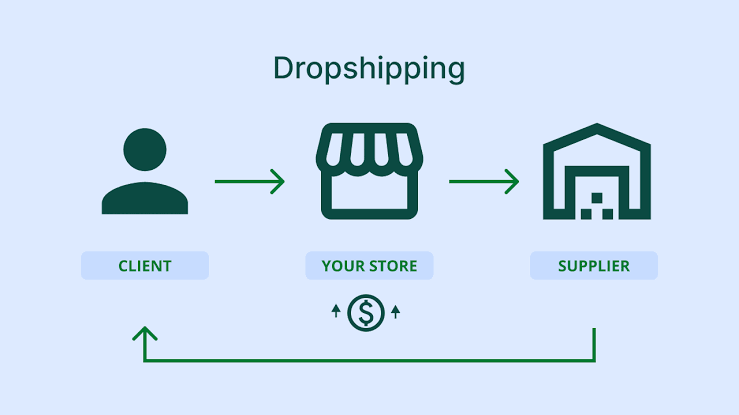
Product sourcing services help businesses find dependable suppliers, obtain quality products, and manage procurement costs. Whether a company operates in retail, construction, manufacturing, or wholesale distribution, choosing the right supplier can influence profitability, customer satisfaction, and operational efficiency.
Businesses often face challenges such as inconsistent product quality, delayed shipments, unexpected expenses, and unreliable vendors. A structured sourcing process helps companies compare suppliers, verify product specifications, and make informed purchasing decisions.
What Are Product Sourcing Services?
Product sourcing services involve identifying, evaluating, and selecting suppliers that can meet a business's product requirements. These services may include supplier research, price negotiation, product sampling, quality inspections, order coordination, and delivery arrangements.
Depending on the company's needs, sourcing may involve local manufacturers, wholesalers, distributors, or international suppliers. The objective is to obtain suitable products at competitive prices while maintaining quality and reliable delivery schedules.
Why Reliable Suppliers Matter
Reliable suppliers help businesses maintain inventory, meet customer expectations, and avoid unnecessary operational disruptions. Consistent product quality and timely delivery also support stronger customer relationships.
By contrast, suppliers that deliver defective goods, change prices unexpectedly, or miss deadlines can cause financial losses and damage a company's reputation. Therefore, businesses should evaluate suppliers on quality, reliability, communication, and total cost rather than price alone.
Key Factors for Evaluating Reliable Suppliers
1. Verify Supplier Credentials
Before placing an order, review the supplier's business registration, contact details, physical address, references, and relevant certifications. For international suppliers, check available company records and confirm that the supplier can legally conduct the proposed transaction.
Independent verification can help reduce the risk of fraud and unsuitable business partnerships.
2. Evaluate Product Quality
Product quality should match the specifications agreed upon before purchasing. Businesses can request samples, technical specifications, product photographs, and inspection reports where appropriate.
For example, a construction company purchasing electrical equipment should verify product ratings, safety requirements, and technical specifications instead of relying solely on the supplier's quotation.
3. Compare Prices and Total Costs
The lowest quotation does not always represent the best value. Businesses should consider the complete purchasing cost, including packaging, transportation, insurance where applicable, customs duties, taxes, and inspection charges.
A supplier offering a slightly higher price may provide better value through consistent quality, fewer defective products, and dependable delivery.
4. Check Delivery Capacity
Reliable suppliers should clearly explain their available inventory, production capacity, shipping arrangements, and expected delivery dates.
Businesses should also ask how suppliers manage shortages, urgent orders, and unexpected delays. This is particularly important for manufacturers and contractors that depend on timely material deliveries.
5. Assess Communication and Transparency
Professional suppliers provide clear information about product specifications, prices, payment conditions, and delivery schedules. Written quotations and contracts help ensure that both parties understand their responsibilities.
Businesses should be cautious when suppliers provide inconsistent information, avoid reasonable questions, or demand immediate payment without adequate verification.
Practical Steps to Reduce Supplier Risks
Businesses can improve their procurement decisions by following a consistent supplier-evaluation process:
Define product specifications, quantities, and quality requirements.
Shortlist several potential suppliers.
Verify business credentials and relevant references.
Request comparable quotations and product samples.
Calculate the total purchasing and delivery costs.
Document payment terms, inspection arrangements, and delivery deadlines.
Start with a manageable order when appropriate and review supplier performance.
Following these steps provides a clear basis for comparing suppliers and reduces the likelihood of making decisions based solely on low prices or promotional claims.
Benefits of Professional Product Sourcing Services
Professional sourcing services can save time by coordinating supplier research, quotations, product evaluation, and procurement communication. Depending on the agreed service scope, a sourcing provider may also help arrange quality inspections, shipment coordination, and supplier follow-ups.
These services can benefit businesses that lack dedicated procurement teams or need to source products across multiple categories. Before hiring a provider, businesses should verify its experience, service fees, references, and contractual responsibilities.
Conclusion
Product sourcing services help businesses identify suitable suppliers, evaluate product quality, compare total costs, and reduce procurement risks. By verifying supplier credentials, checking product samples, confirming delivery capabilities, and documenting commercial terms, companies can develop stronger supply chains and improve purchasing decisions.
AAO Group of Companies Islamabad is involved in business activities according to its operational scope. Businesses interested in product sourcing, procurement, or commercial collaboration should confirm the company's current services directly and discuss their specific requirements before entering into an agreement.