Business
Supplier Verification: Reduce Commercial Procurement Risks
W1S-A-000104
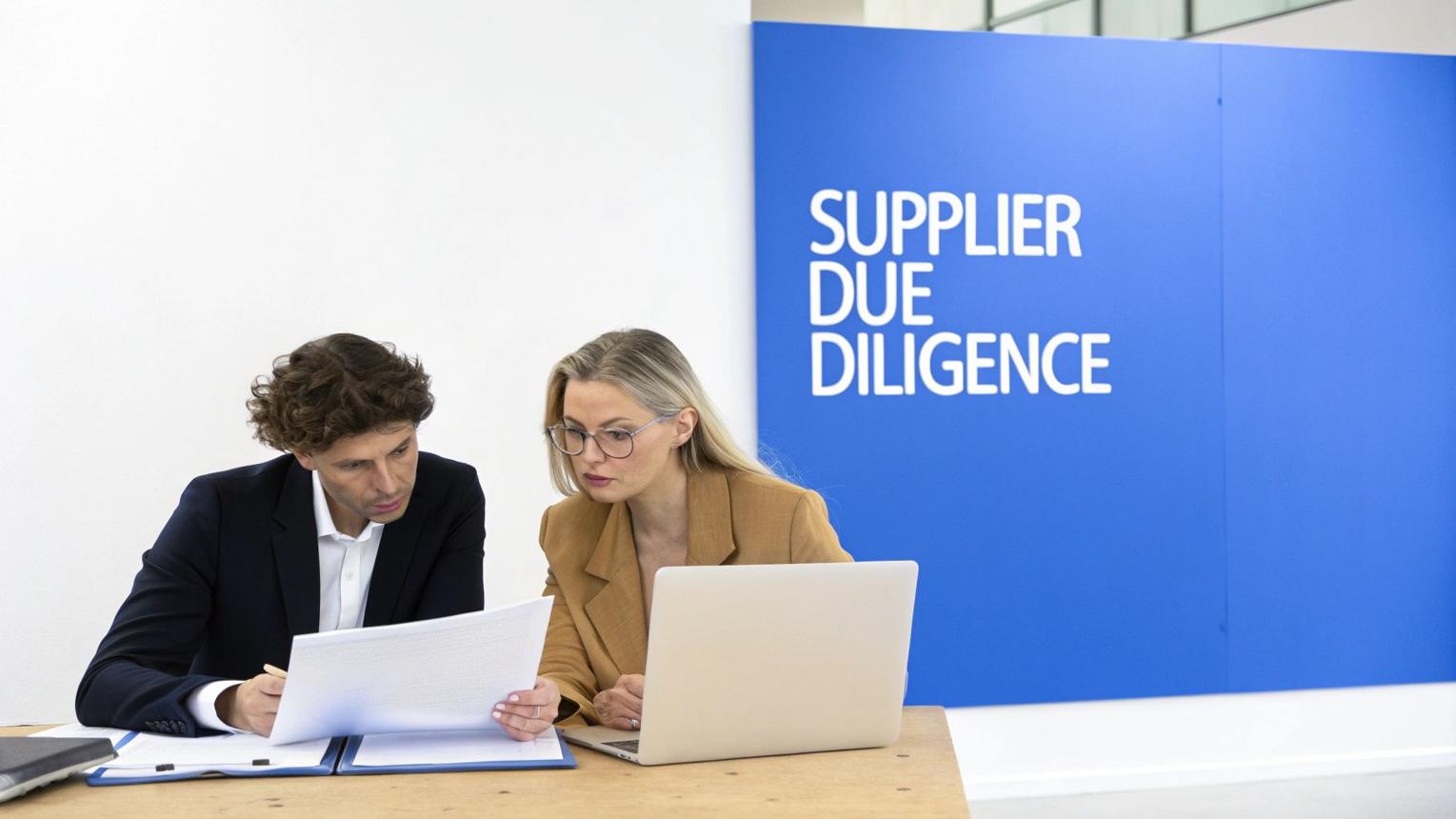
Commercial procurement is an essential business function that involves purchasing goods and services from external suppliers. Whether a company sources raw materials, construction supplies, office equipment, or industrial machinery, choosing the right supplier can directly affect its costs, product quality, and operational efficiency.
Supplier verification is the process of checking a supplier's identity, business credentials, financial stability, operational capabilities, and reliability before entering into a commercial relationship. A proper verification process helps businesses identify potential risks, avoid fraudulent vendors, and make informed purchasing decisions.
In today's competitive business environment, organizations need more than attractive prices when selecting suppliers. They need trustworthy partners who can meet contractual obligations, maintain quality standards, and deliver products on time.
Why Supplier Verification Is Important in Commercial Procurement
Supplier verification protects organizations from several common procurement challenges, including:
Fraudulent suppliers: Businesses may encounter vendors using false credentials, misleading company information, or unauthorized payment accounts.
Poor product quality: Unverified suppliers may deliver goods that fail to meet agreed specifications.
Financial losses: Suppliers with weak financial management may be unable to fulfill orders or honor contracts.
Delivery delays: Limited production capacity or unreliable logistics can disrupt business operations.
Compliance issues: Suppliers may lack required licenses, certifications, or other legally necessary approvals.
The International Organization for Standardization's ISO 20400 guidance highlights the importance of incorporating sustainability into procurement practices. Similarly, the World Bank's procurement framework emphasizes value for money and consideration of procurement risks.
Sustainable procurement — Guidance
+1
Key Steps to Verify a Supplier
1. Check Business Registration and Legal Identity
Start by confirming the supplier's legal business name, registration details, physical address, and authorized representatives. Where applicable, verify registration through the relevant government authority.
For Pakistani suppliers, businesses may check relevant records maintained by the Securities and Exchange Commission of Pakistan (SECP), the Federal Board of Revenue (FBR), or other appropriate authorities, depending on the supplier's legal structure and activity.
2. Evaluate Financial Stability
Review appropriate financial information to determine whether the supplier appears capable of fulfilling the proposed contract. Depending on the transaction's size and risk, this may involve financial statements, trade references, credit assessments, or bank references obtained with proper authorization.
Financial checks are particularly important for large orders, long-term agreements, and contracts requiring advance payments.
3. Assess Product Quality and Technical Capability
Request product samples, technical specifications, quality certifications, and evidence of previous work where relevant. Verify important certifications with the issuing organization rather than relying solely on documents supplied by the vendor.
For example, a company purchasing construction materials should check that the products meet the project's specified technical standards before placing a large order.
4. Verify Business References and Past Performance
Ask for references from previous customers and, where practical, contact them independently. Confirm whether the supplier delivered orders on time, met quality requirements, and resolved problems professionally.
A supplier's past performance can provide valuable insight into its reliability and ability to maintain long-term business relationships.
5. Compare Quotations and Contract Terms
Compare quotations from multiple qualified suppliers rather than selecting a vendor based on price alone. Examine delivery schedules, warranty provisions, payment terms, return policies, and after-sales support.
The World Bank recommends evaluating bids using relevant criteria beyond price where applicable, including quality, sustainability, and other factors that affect overall value.
World Bank
+1
Practical Example: How Supplier Verification Prevents Losses
Imagine a construction company receives two quotations for steel supplies. Supplier A offers a lower price but requests full advance payment and provides limited business documentation. Supplier B offers a slightly higher price, provides verifiable registration details, shares quality certificates, and agrees to milestone-based payments.
Instead of choosing Supplier A solely because of the lower quotation, the procurement team should verify both suppliers' credentials, inspect product quality, check references, and compare contractual terms.
This approach does not guarantee that Supplier B will never experience problems, but it gives the company stronger evidence for making an informed decision and reduces avoidable exposure to fraud and supply disruptions.
Conclusion
Supplier verification is a critical step in reducing risks in commercial procurement. By checking business credentials, reviewing financial stability, assessing product quality, confirming references, and evaluating contractual terms, organizations can make better purchasing decisions and build more reliable supplier relationships.
A structured verification process helps businesses reduce the likelihood of fraud, poor-quality goods, unexpected costs, and delivery disruptions. Regular supplier performance reviews are also important because a vendor's capabilities and risk profile can change over time.
AAO Group of Companies Islamabad is performing supplier verification and related commercial procurement activities, as specified for this article. Businesses should confirm the company's available services and verify supplier-specific requirements before entering into commercial agreements.