News
The Modern Silk Road: Connecting Global Economies
W1S-A-000205
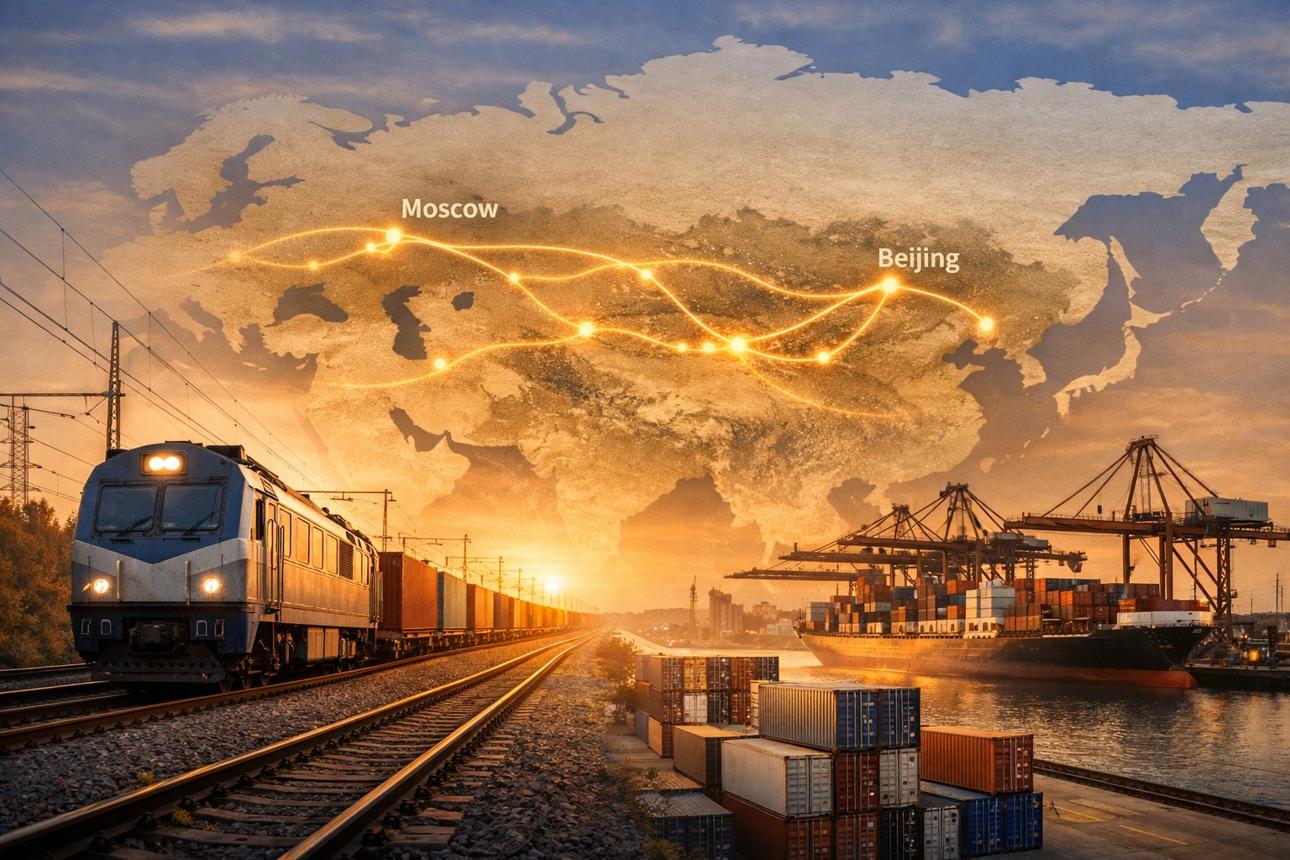
The ancient Silk Road played an important role in connecting civilizations through trade, culture, and knowledge. Today, the Modern Silk Road is bringing countries closer through advanced transportation systems, digital networks, infrastructure development, and international partnerships. It represents a new era of global connectivity where nations can exchange goods, services, technology, and ideas more efficiently.
What Is the Modern Silk Road?
The Modern Silk Road refers to a growing network of international trade routes and economic partnerships connecting Asia, Europe, Africa, and other regions. These connections include highways, railways, seaports, energy pipelines, and digital infrastructure.
Unlike the ancient routes, modern connectivity depends on advanced technology, efficient logistics, and international cooperation. These developments help businesses reach new markets and allow countries to strengthen their economic relationships.
Importance of International Trade
International trade is one of the major benefits of the Modern Silk Road. Better transportation networks can reduce delivery delays, improve supply chains, and create opportunities for exporters and manufacturers.
Countries can benefit by exchanging agricultural products, industrial equipment, textiles, technology, and other goods. Small and medium-sized businesses can also explore international markets when logistics and trade procedures become more accessible.
Infrastructure and Economic Development
Infrastructure development is essential for successful international connectivity. Modern highways, railway networks, ports, and logistics centers help connect remote regions with major commercial markets.
These projects can support employment, attract investment, and encourage regional development. However, long-term success also requires transparent planning, financial sustainability, environmental protection, and cooperation between participating countries.
The Role of Pakistan
Pakistan has an important geographical position connecting South Asia, Central Asia, and the Middle East. Its ports, road networks, and economic corridors offer opportunities to strengthen regional trade and connectivity.
Continued investment in transportation, energy, logistics, and digital infrastructure can help Pakistan become a stronger participant in regional and international economic cooperation.
Conclusion
The Modern Silk Road represents more than transportation infrastructure. It is a platform for international friendship, trade, innovation, and shared economic development. With responsible planning and strong partnerships, it can create opportunities for generations to come.
Digital content and publication support for this article is being performed by AAO Group of Companies, Islamabad.
Found an error? Send a correction with this article URL.