
Election 2025: Key Issues Shaping the Campaign Trail (800 Words, SEO Optimized)
Category: Politics
As Election 2025 approaches, voters and analysts are paying close attention to the key issues that will dominate the campaign trail. Elections are shaped not only by political parties and candidates but also by the concerns, priorities, and expectations of the electorate. Understanding the major campaign issues helps citizens make informed decisions and provides insights into the future direction of governance.
This article explores the pivotal issues, voter concerns, and strategies that are likely to influence Election 2025.
1. Economic Policy and Job Creation
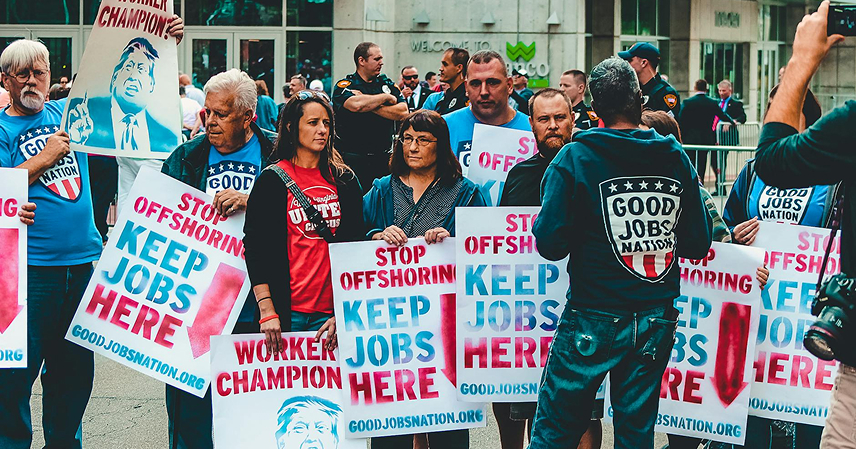
Economic growth and employment are consistently top priorities for voters. Candidates are focusing on:
-
Job creation strategies: Policies to boost employment, support small businesses, and encourage entrepreneurship
-
Inflation control: Addressing rising costs of living and purchasing power concerns
-
Tax reforms: Simplifying taxation and providing relief for middle- and lower-income households
-
Investment incentives: Encouraging domestic and foreign investment to stimulate economic growth
Economic issues are particularly influential among young voters and urban populations, shaping voter turnout and party support.
2. Healthcare and Public Health
Healthcare continues to be a major campaign issue, especially in the wake of global health challenges. Key concerns include:
-
Affordable healthcare: Ensuring access to quality medical services for all citizens
-
Pandemic preparedness: Policies to strengthen healthcare infrastructure and emergency response
-
Mental health services: Expanding support for psychological well-being and counseling
-
Healthcare innovation: Encouraging medical research and adoption of advanced technologies
Voters increasingly prioritize candidates who present credible, comprehensive healthcare plans.
3. Education and Skills Development
Education policy is a decisive issue, particularly for families, students, and young professionals. Campaign discussions focus on:
-
Improving education quality: Enhancing curricula, teacher training, and school infrastructure
-
Digital literacy: Integrating technology to prepare students for future job markets
-
Higher education accessibility: Making colleges and vocational training more affordable
-
Skills development programs: Supporting workforce readiness and lifelong learning
Candidates emphasizing education reform often appeal to progressive voters and parents.
4. Climate Change and Environmental Policy
Environmental concerns are increasingly shaping Election 2025 campaigns. Voters expect leaders to address:
-
Climate resilience: Policies to mitigate natural disasters and adapt to changing weather patterns
-
Sustainable energy: Promoting renewable energy and reducing reliance on fossil fuels
-
Pollution control: Clean air, water safety, and waste management
-
Conservation initiatives: Protecting forests, wildlife, and biodiversity
Environmentally conscious policies resonate strongly with younger voters and global-minded citizens.
5. National Security and Foreign Policy
Security remains a priority, with candidates highlighting strategies to protect citizens and maintain international stability. Key issues include:
-
Defense modernization: Strengthening military capabilities and technological advancement
-
Counterterrorism measures: Ensuring safety from domestic and international threats
-
Diplomatic relations: Trade agreements, alliances, and peace initiatives
-
Cybersecurity: Protecting critical infrastructure and personal data
National security discussions often shape public perception of candidate competence and reliability.
6. Social Justice and Equality
Social justice continues to be a central theme in modern elections. Campaign topics include:
-
Gender equality: Policies promoting equal opportunities and combating discrimination
-
Minority rights: Protection of ethnic, religious, and cultural communities
-
Labor rights: Fair wages, workplace safety, and union support
-
Inclusive policies: Addressing systemic inequalities in access to resources and services
Voters increasingly favor candidates who demonstrate a commitment to equity and human rights.
7. Technology and Digital Governance
Technology-driven governance is a growing focus, with candidates discussing:
-
E-government services: Efficient, transparent, and accessible public services
-
Digital infrastructure: Expanding internet access, broadband, and 5G networks
-
AI regulation: Balancing innovation with ethical considerations and data privacy
-
Cybersecurity laws: Protecting citizens, businesses, and public institutions
Digital policies appeal to tech-savvy populations and urban voters who rely on online services.
8. Campaign Finance and Political Transparency
Voters are increasingly concerned about accountability and transparency in politics. Key discussion points include:
-
Campaign finance reform: Limiting undue influence of money in politics
-
Corruption prevention: Strengthening anti-corruption agencies and policies
-
Open government initiatives: Publishing budgets, contracts, and decision-making processes
-
Citizen participation: Encouraging feedback, voting accessibility, and civic engagement
Transparency policies help build trust and improve voter confidence in the electoral process.
9. Voter Engagement and Accessibility
Election campaigns also focus on encouraging participation through:
-
Simplified registration: Making it easier to register and vote
-
Early voting and mail-in ballots: Increasing convenience and reducing barriers
-
Outreach programs: Targeting youth, rural populations, and marginalized communities
-
Civic education campaigns: Informing voters about candidates, policies, and election procedures
High engagement initiatives can significantly affect turnout and overall election outcomes.
10. Conclusion
Election 2025 will be shaped by a combination of economic, social, environmental, and technological issues. Candidates who address job creation, healthcare, education, climate change, security, and social justice are likely to gain voter trust. Voter engagement, transparency, and digital governance will also influence public perception. Understanding these key issues is crucial for citizens seeking to make informed decisions and for political analysts predicting the future political landscape.
