Understanding the Dynamics of Global Trade Agreements (800 Words, SEO Optimized)
Category: World / Business
Global trade agreements are critical tools that shape international commerce, economic growth, and geopolitical relationships. These agreements define how goods, services, investments, and intellectual property flow between countries. With globalization accelerating, understanding the dynamics of global trade agreements has become essential for governments, businesses, and investors alike.
This article explores the structure, purpose, benefits, and challenges of trade agreements in today’s interconnected world.
1. What Are Global Trade Agreements?
Global trade agreements are formal treaties between countries designed to regulate trade rules and promote economic cooperation. They aim to:
-
Reduce tariffs and import/export duties
-
Eliminate trade barriers and quotas
-
Protect intellectual property rights
-
Standardize regulations across countries
Examples of major agreements include:
-
World Trade Organization (WTO) treaties
-
North American Free Trade Agreement (NAFTA) / United States–Mexico–Canada Agreement (USMCA)
-
European Union (EU) trade agreements
-
Trans-Pacific Partnership (TPP)
Such agreements create predictable trade environments that encourage investment and cross-border commerce.
2. Benefits of Global Trade Agreements
Trade agreements provide multiple economic advantages for participating countries.
Key benefits:
-
Market access: Businesses can sell goods in foreign markets with reduced tariffs.
-
Economic growth: Countries experience increased exports, industrial growth, and employment opportunities.
-
Investment attraction: Stable trade rules attract foreign direct investment (FDI).
-
Innovation: Exposure to international competition drives technological and business innovation.
-
Price benefits for consumers: Reduced tariffs often lower costs of imported goods.
Countries with strong trade agreements often outperform those relying on protectionist policies.
3. Types of Trade Agreements
Global trade agreements can be categorized into several types:
-
Bilateral Agreements – Agreements between two countries to facilitate trade and investment. Example: Japan–Australia Economic Partnership Agreement.
-
Multilateral Agreements – Agreements involving multiple countries under global organizations like the WTO.
-
Regional Trade Agreements (RTAs) – Agreements among geographically close nations, e.g., ASEAN Free Trade Area.
-
Preferential Trade Agreements (PTAs) – Agreements providing reduced tariffs to certain partner countries.
Understanding the type of agreement is key for businesses to navigate trade rules effectively.
4. The Role of Tariffs and Non-Tariff Barriers
Trade agreements often aim to reduce tariffs, which are taxes on imported goods, making products more affordable and competitive.
However, non-tariff barriers—such as:
-
Import quotas
-
Licensing requirements
-
Technical standards
-
Sanitary and phytosanitary regulations
—also significantly affect trade flows. Modern agreements increasingly focus on reducing both tariff and non-tariff barriers to promote smoother international commerce.
5. Intellectual Property Rights in Trade Agreements
Intellectual property (IP) protection is a key element in modern trade agreements. Strong IP frameworks ensure:
-
Protection of patents, trademarks, and copyrights
-
Encouragement of innovation
-
Fair compensation for creators and businesses
-
Reduced counterfeiting and piracy
Countries engaged in high-tech and creative industries benefit from clear IP provisions in trade agreements.
6. Challenges of Global Trade Agreements
While trade agreements offer significant benefits, they also present challenges:
-
Economic inequality: Benefits may disproportionately favor developed countries.
-
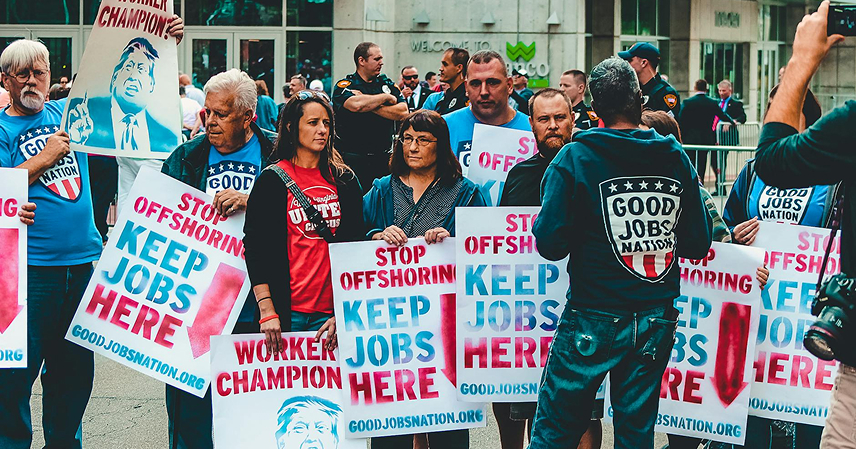
Job displacement: Industries exposed to competition may lose employment.
-
Regulatory conflicts: Differing environmental, labor, and safety standards may cause disputes.
-
Political resistance: National interests may conflict with international commitments.
-
Complexity: Navigating multiple overlapping agreements can be difficult for businesses.
Addressing these challenges requires careful negotiation, transparency, and inclusive policies.
7. The Influence of Globalization
Globalization amplifies the importance of trade agreements. With interconnected supply chains, products often cross multiple borders before reaching consumers.
Impacts include:
-
Streamlined customs procedures
-
Faster movement of goods
-
Global competition driving efficiency and innovation
-
Expansion of international investment
Countries not integrated into global trade frameworks risk being left behind economically.
8. Trade Agreements and Economic Diplomacy
Trade agreements are not just economic tools—they are instruments of diplomacy. They can:
-
Strengthen political alliances
-
Promote regional stability
-
Address shared challenges like climate change and labor rights
-
Create frameworks for resolving disputes peacefully
Effective trade diplomacy can enhance national influence on the global stage.
9. Technology and Digital Trade
Modern trade agreements increasingly focus on digital trade. This includes:
-
Cross-border data flows
-
E-commerce regulations
-
Cybersecurity standards
-
Digital services taxation
As digital commerce grows rapidly, countries must adapt trade rules to ensure fair competition, consumer protection, and innovation.
10. Future Trends in Global Trade Agreements
The future of trade agreements is shaped by:
-
Shifting geopolitical alliances
-
Climate-conscious trade clauses
-
Emphasis on sustainable supply chains
-
Increased digital and services trade
-
Inclusive policies for small and medium enterprises (SMEs)
Understanding these trends helps businesses, governments, and policymakers make strategic decisions in a rapidly evolving global economy.
Conclusion
Global trade agreements are vital tools for economic growth, innovation, and international cooperation. While they present challenges like inequality and regulatory conflicts, their benefits—such as market access, investment, and technological progress—are undeniable. Businesses, governments, and individuals who understand the dynamics of these agreements are better positioned to thrive in a connected world.